






-0.jpg?w=667&h=667)
-0.jpg?w=667&h=667)


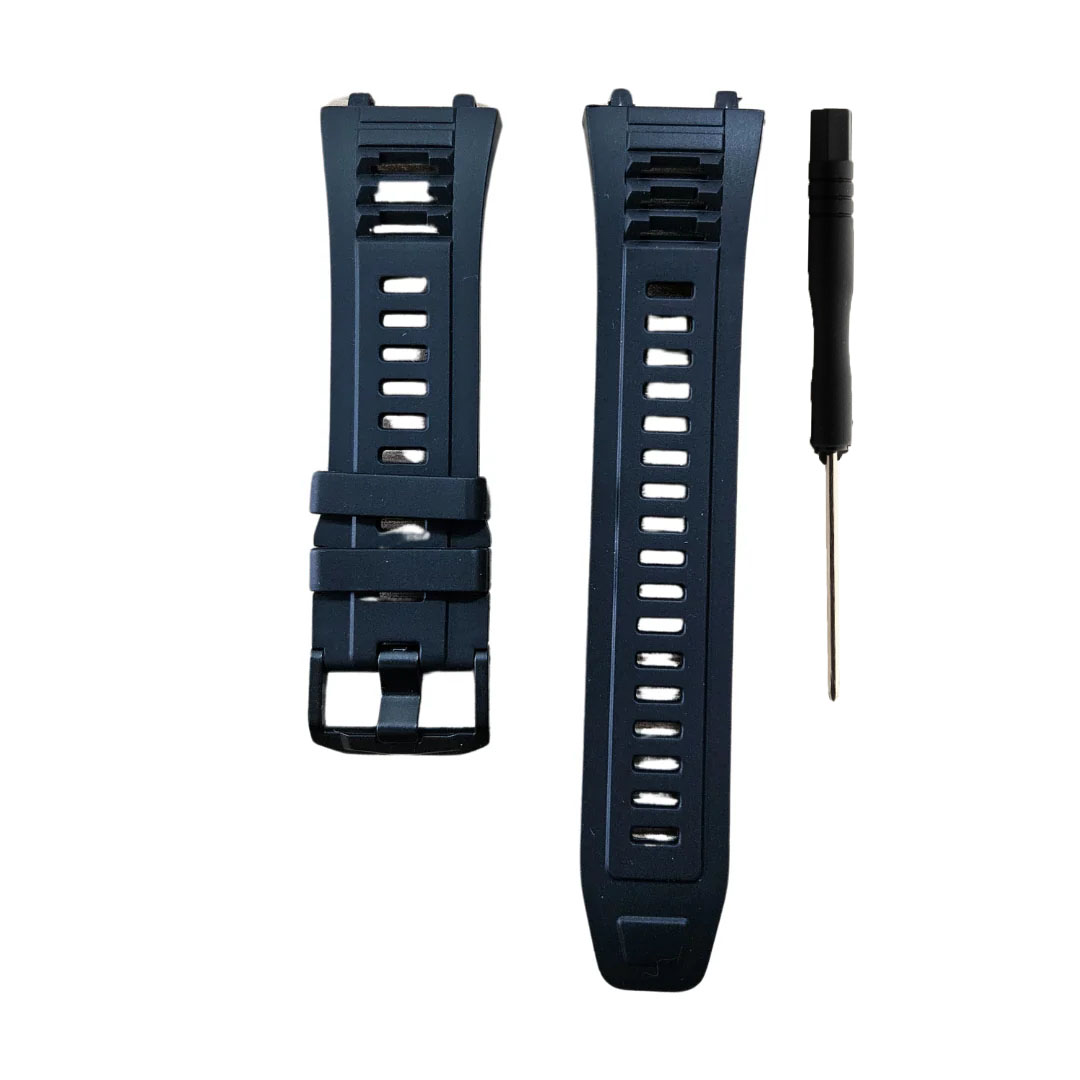
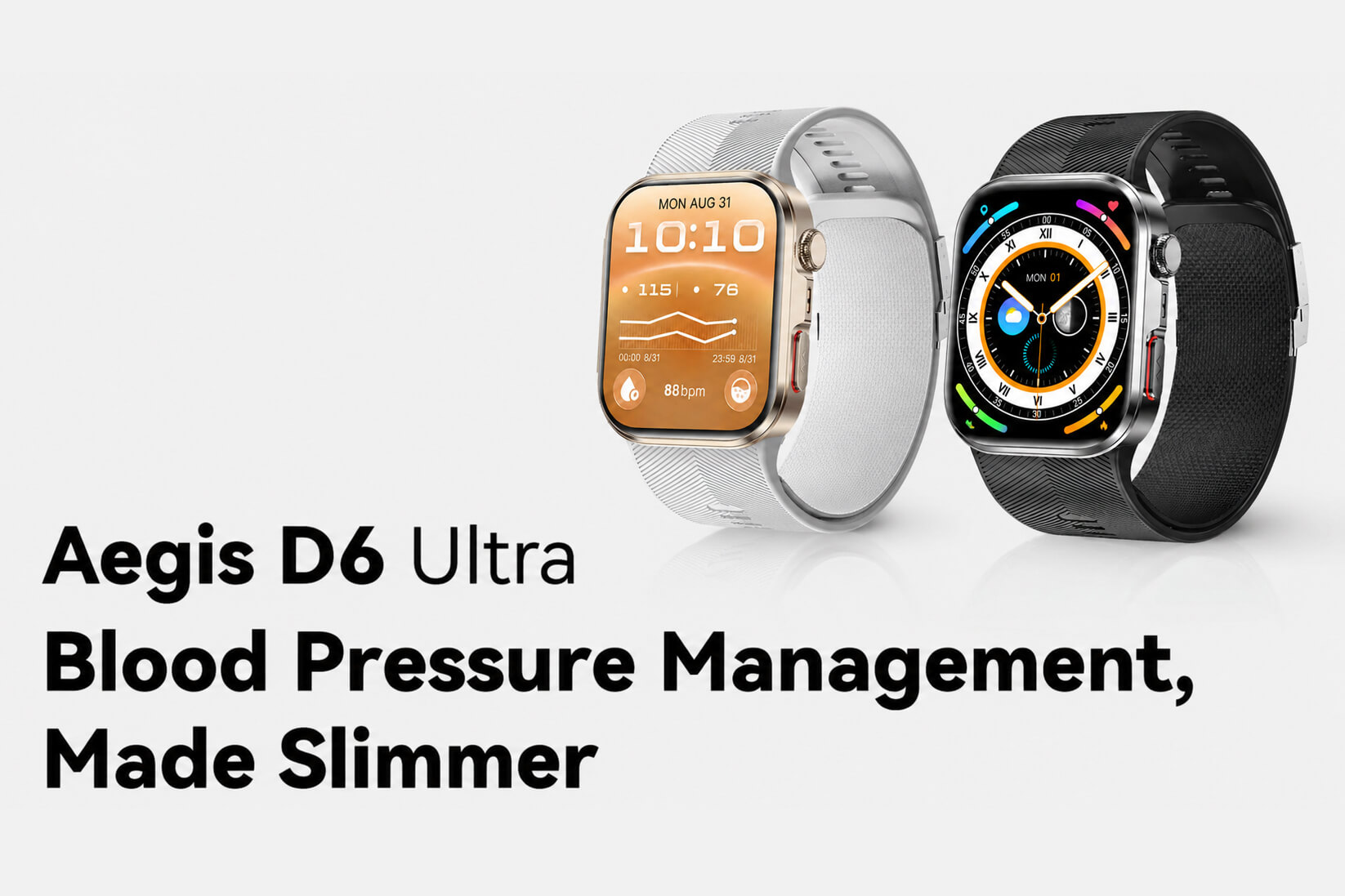
A single blood pressure reading tells you what happened at one moment. A month of readings may reveal a pattern. A year of health data can help you understand how your body is changing.
This is why the real value of a health smartwatch is not limited to its hardware. Its greater value lies in helping you continuously record blood pressure, heart rate, blood oxygen, sleep and daily activity—turning isolated measurements into long-term health trends.
One Reading Is a Number—Long-Term Data Reveals a Trend
Health indicators are constantly changing.
Blood pressure may be affected by sleep, stress, exercise, diet, medication and even the time of day. Heart rate and blood oxygen levels may also fluctuate depending on your physical condition and daily routine.
A single measurement only captures one moment. Continuous records provide more useful context:
-
The first few days help establish your usual baseline.
-
Several weeks of data may reveal recurring patterns.
-
Several months of records can help you notice gradual changes.
-
Long-term trends may make unusual fluctuations easier to identify.
This is where wearable health technology becomes more meaningful. Instead of relying entirely on memory, users can build a clearer record of how their health indicators change over time.
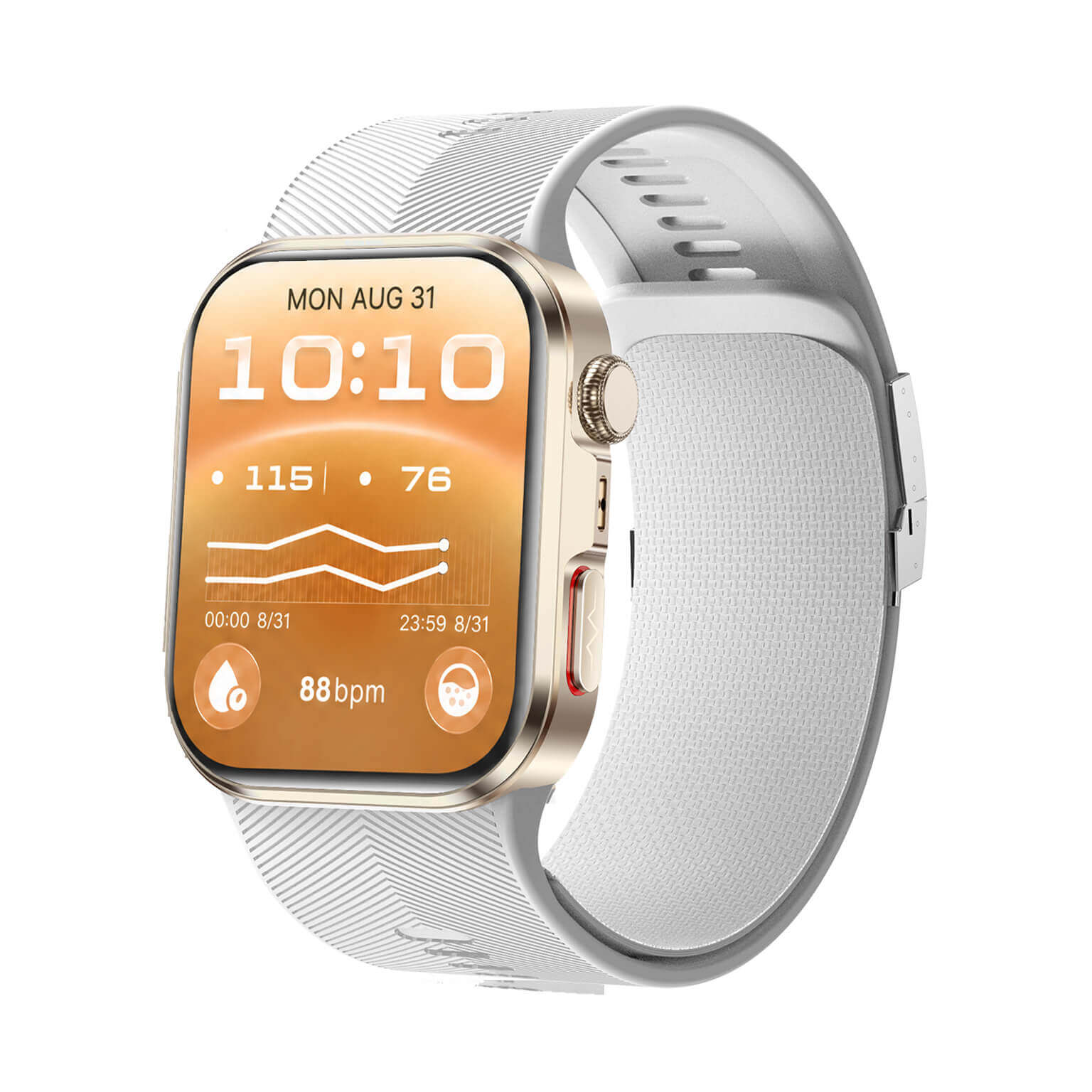
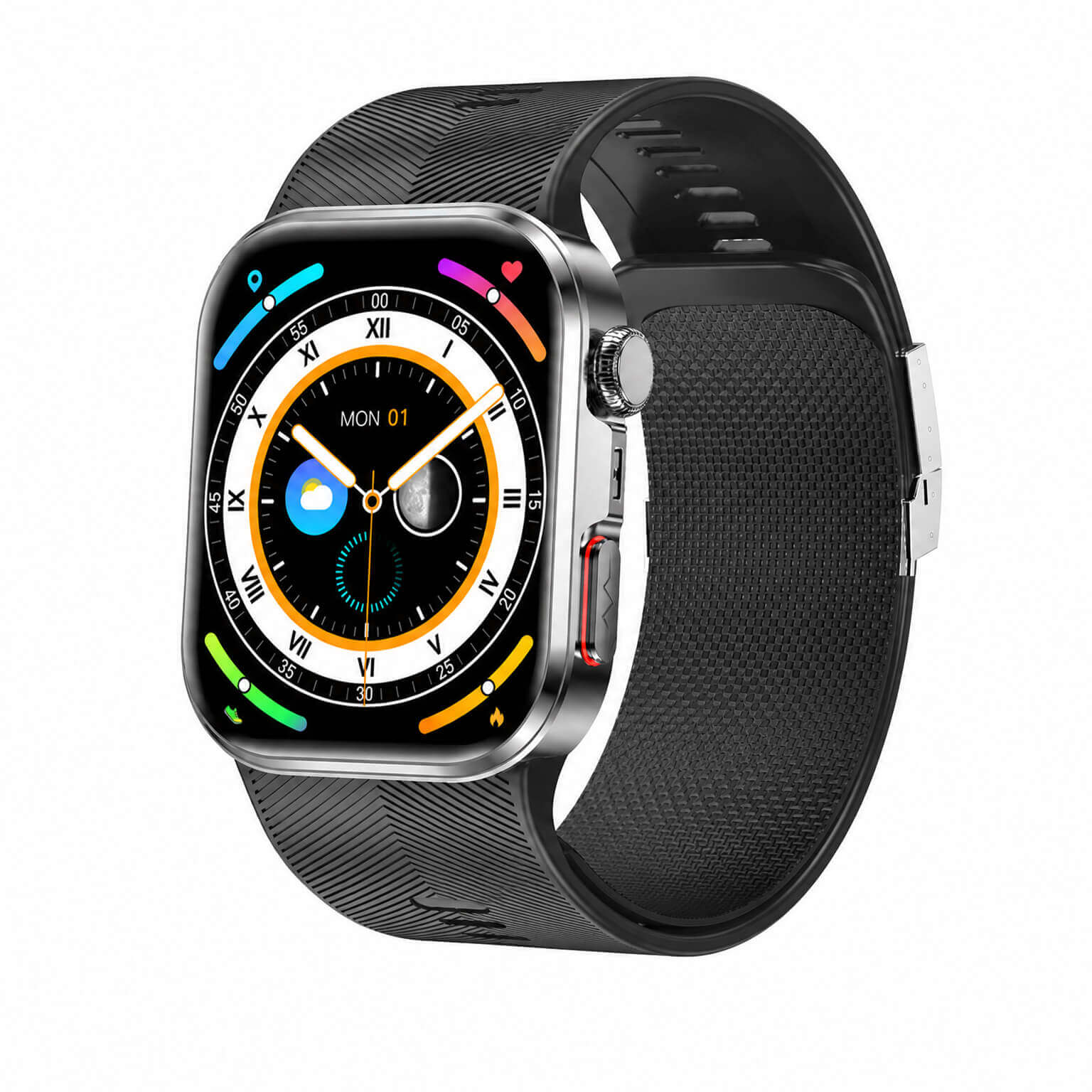
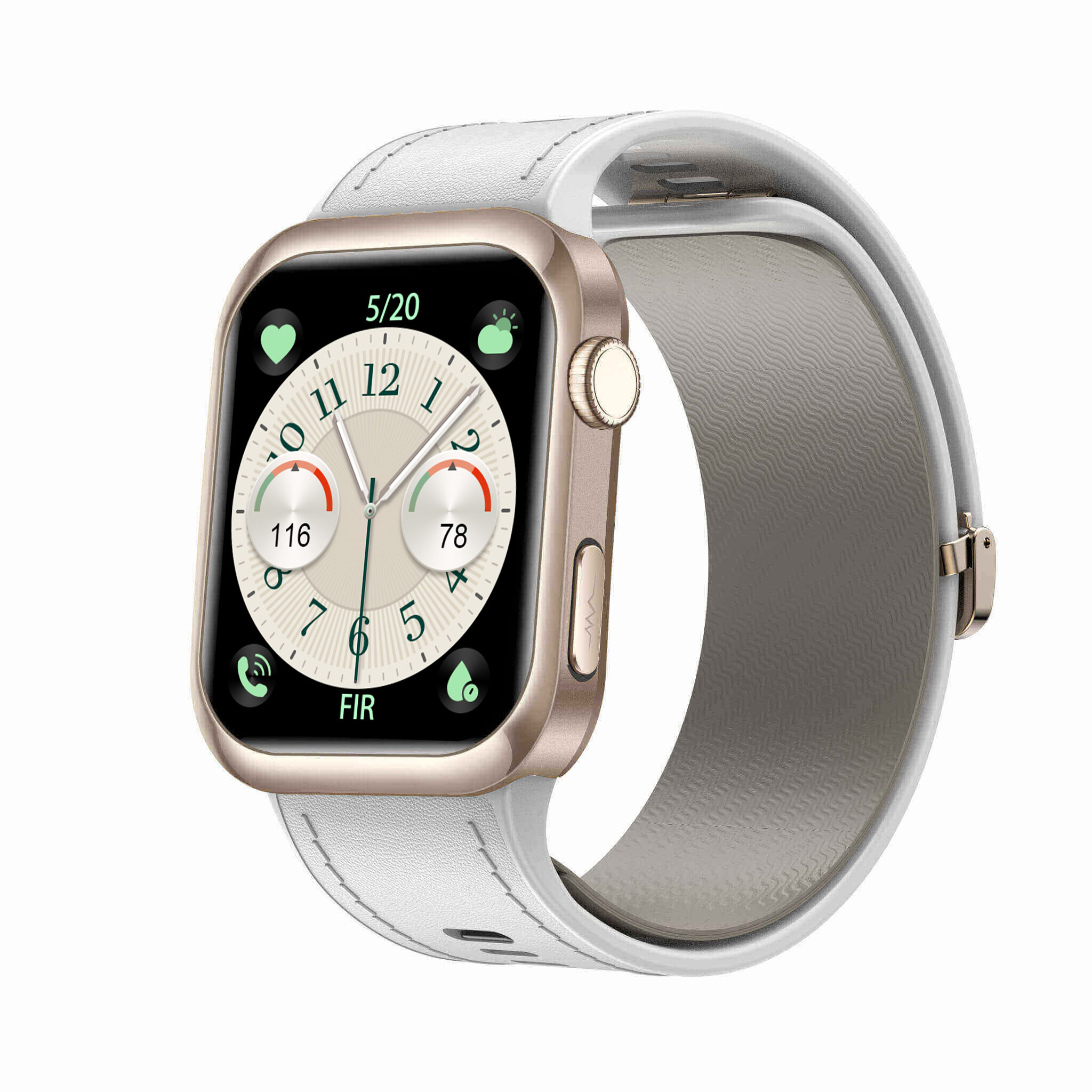
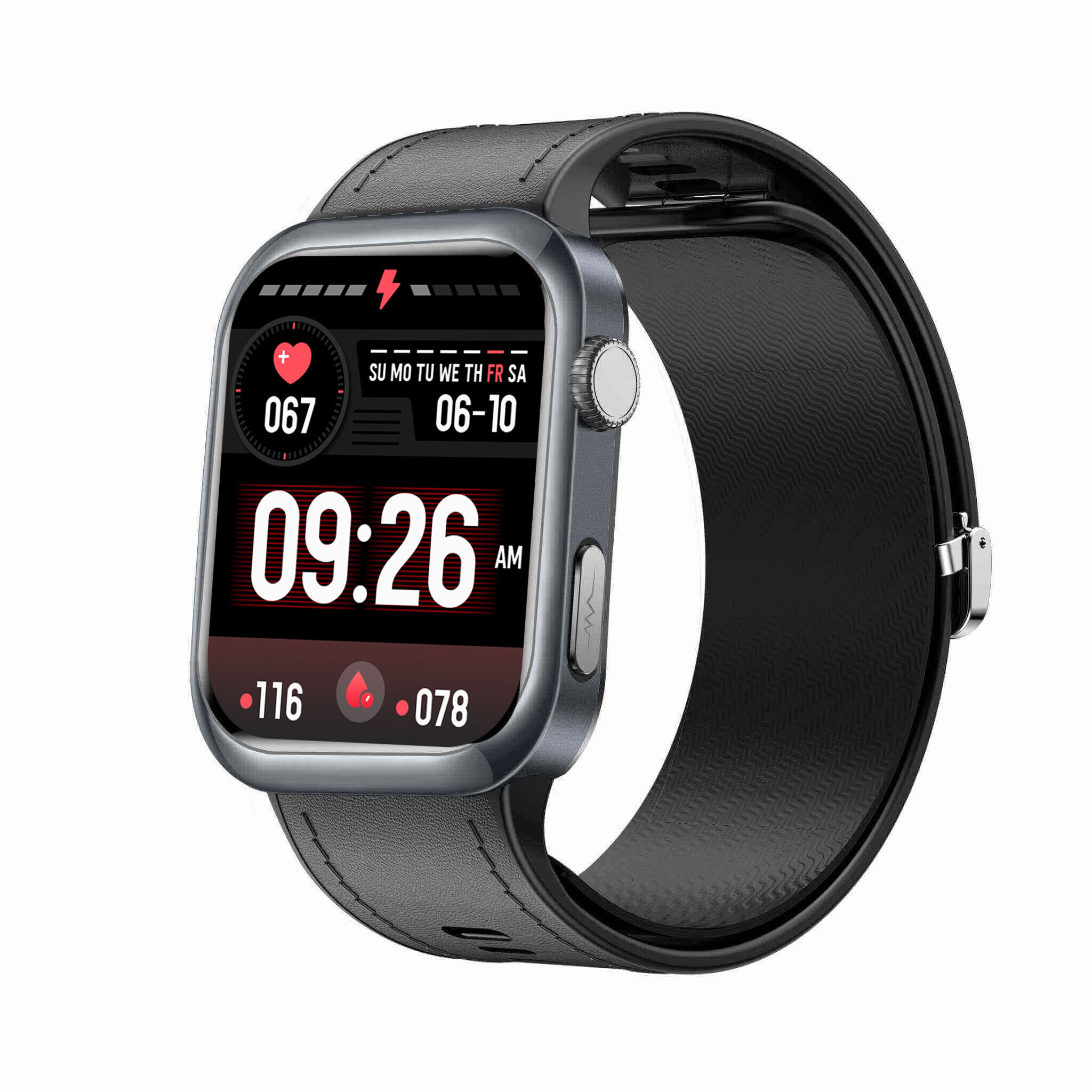
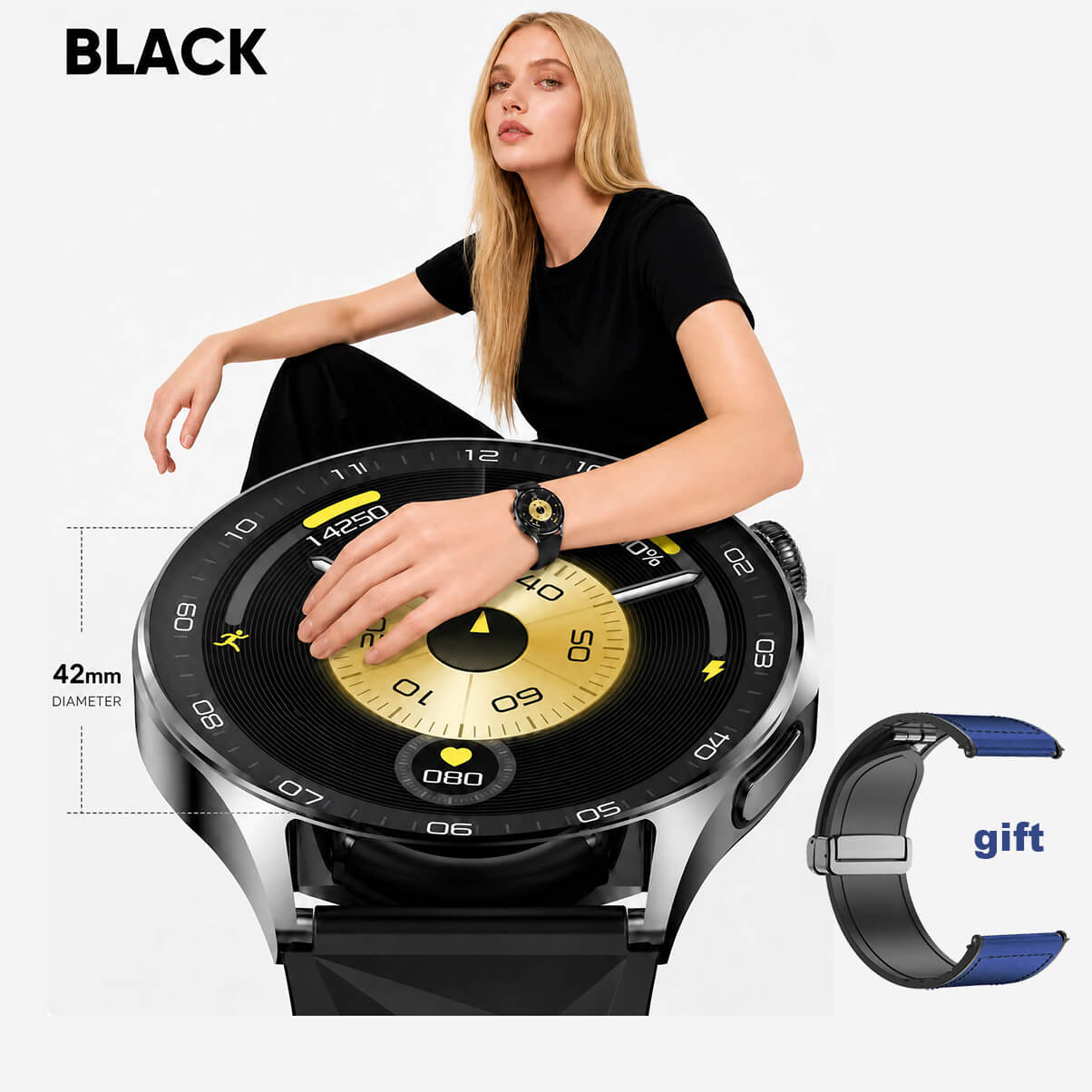
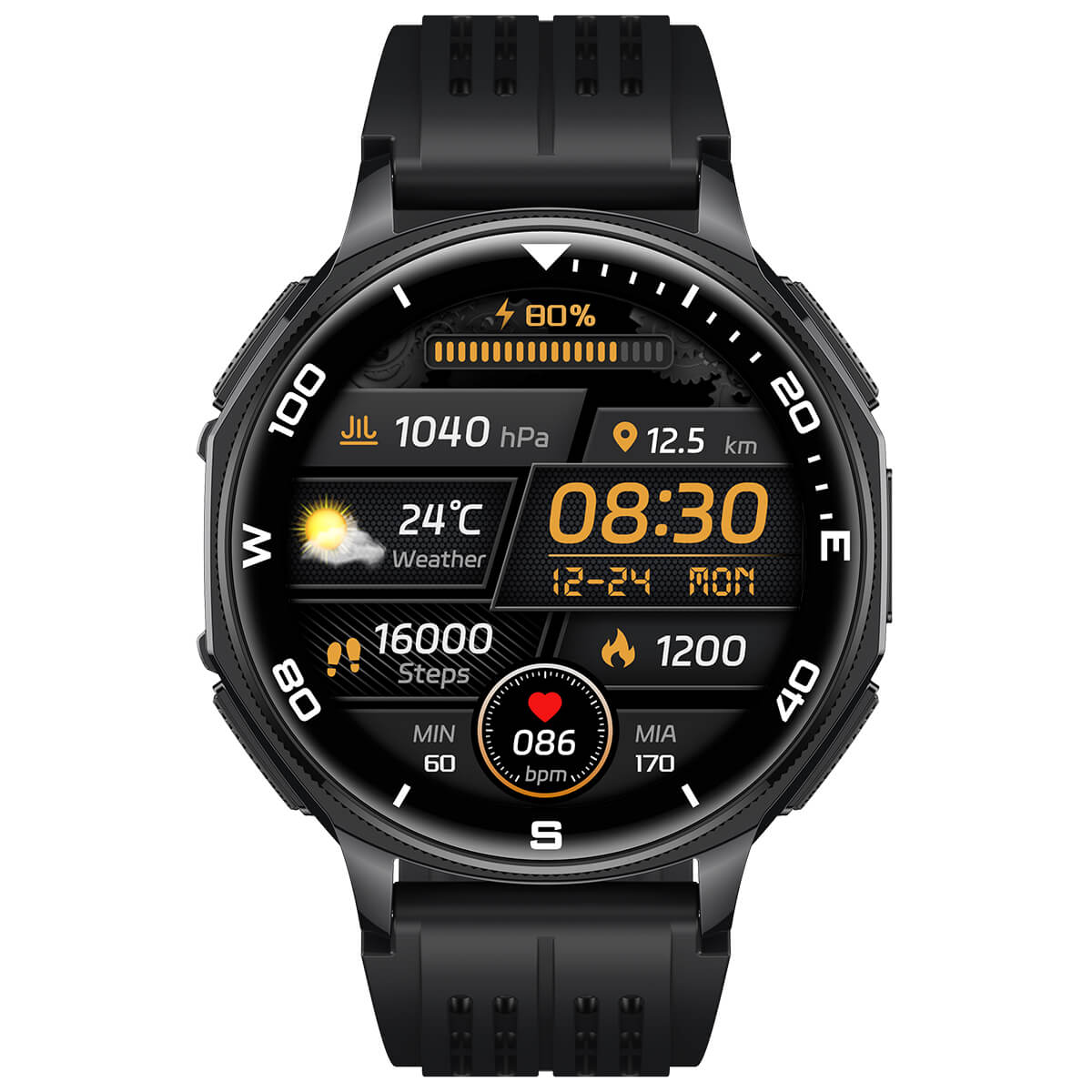
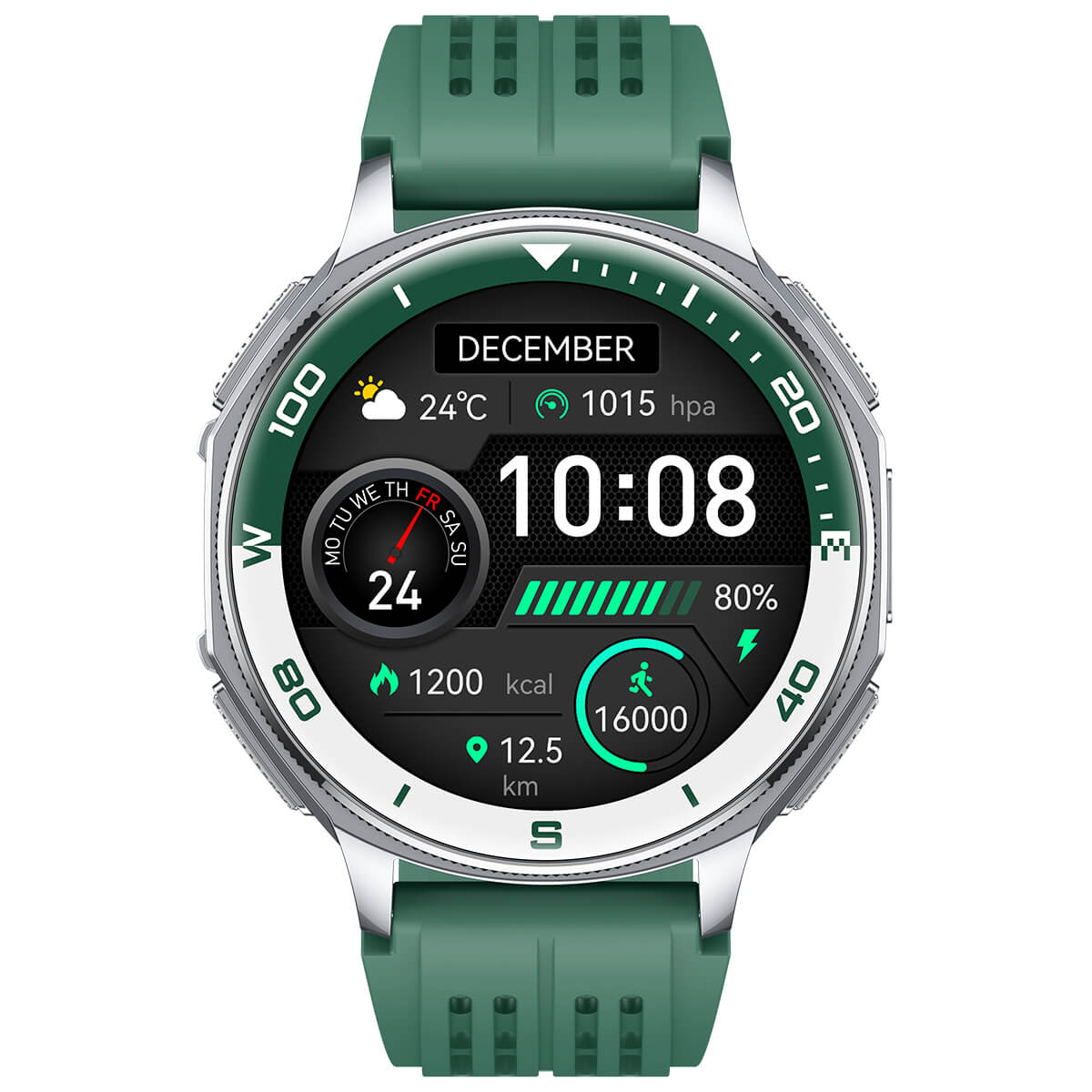
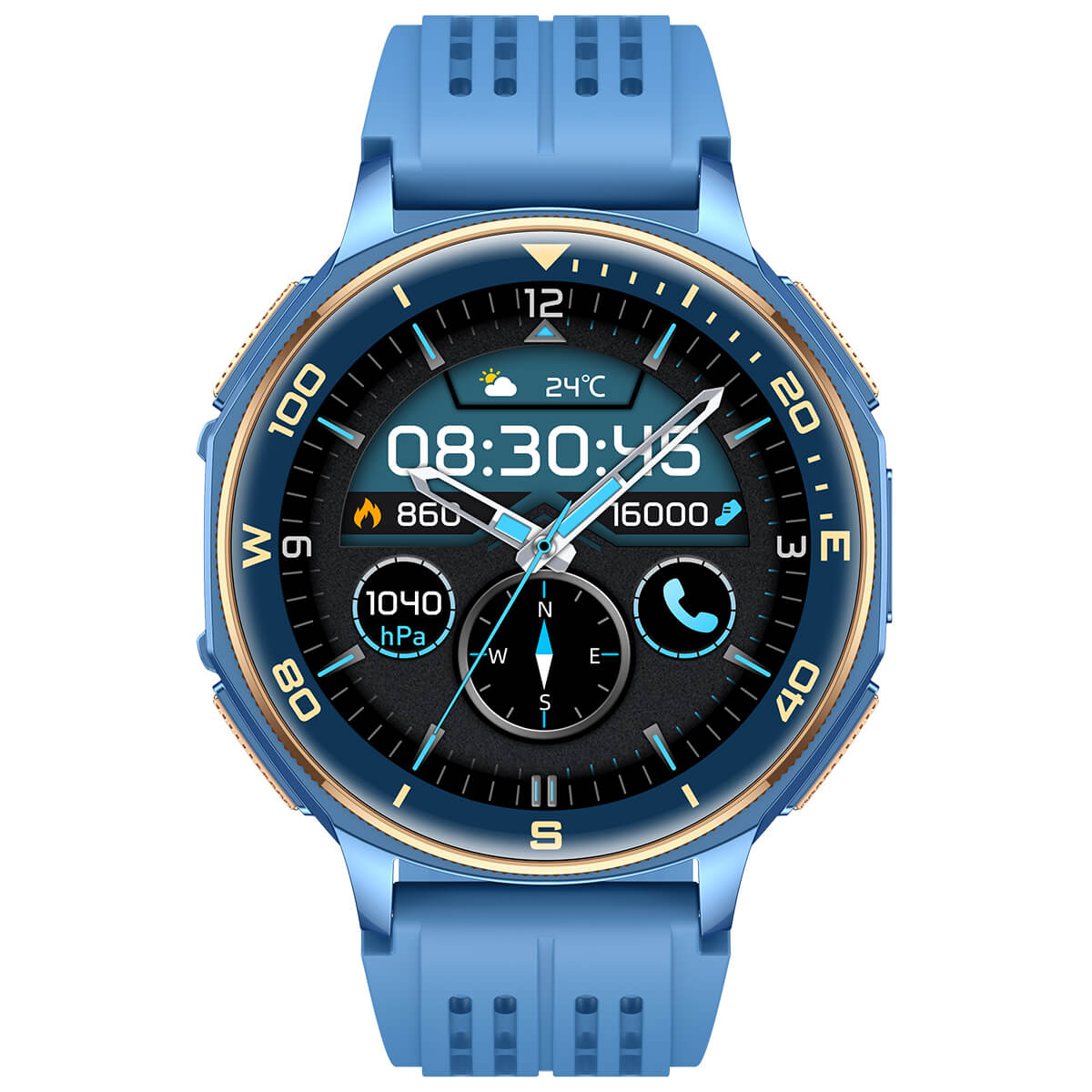
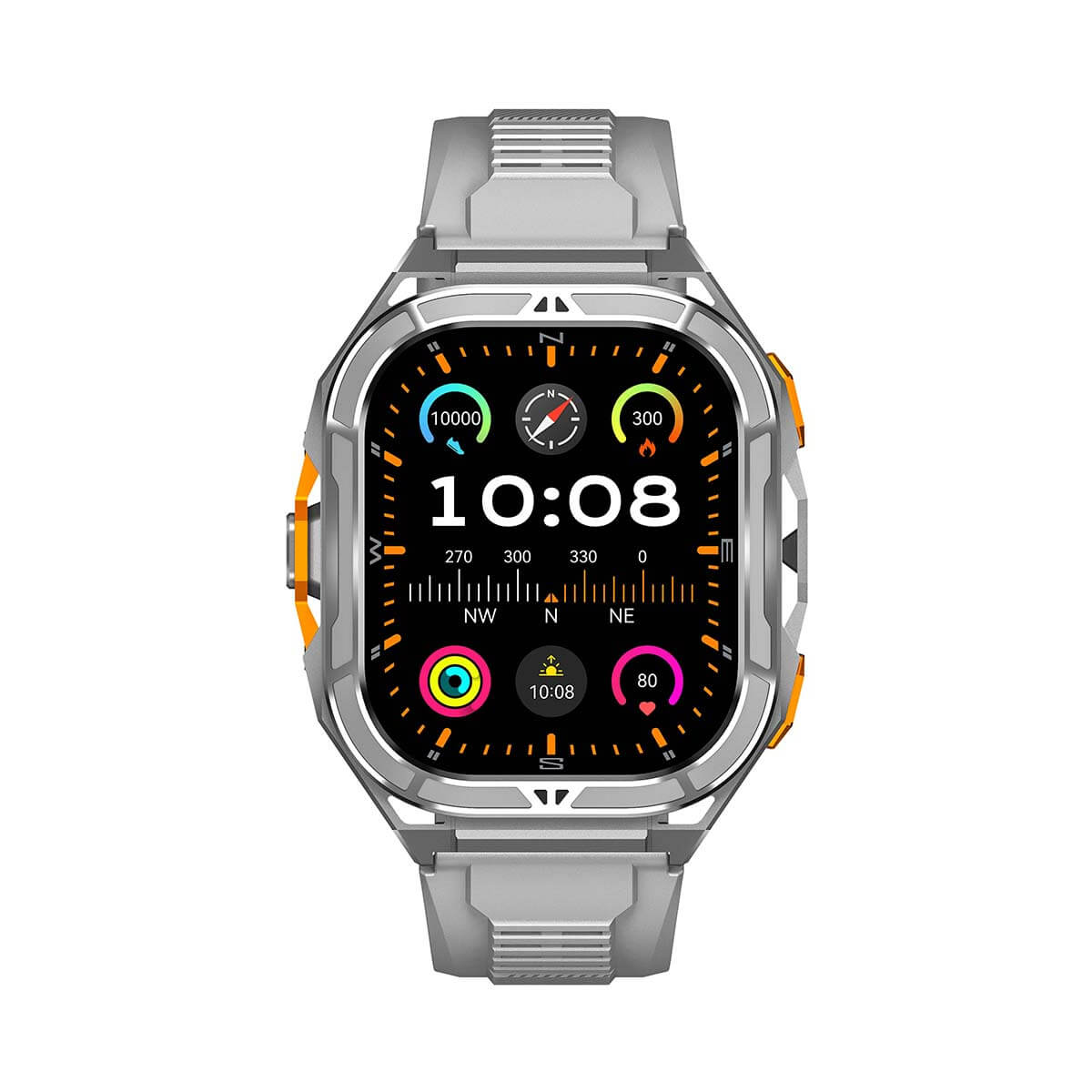
The AEGIS D6 Ultra is designed to make regular health tracking more convenient by bringing multiple monitoring functions together on the wrist.
Why Automatically Collected Data Matters
When people are asked how well they slept last week or how often their blood pressure changed, their answers are usually based on memory and personal feelings.
However, memory is not always precise.
You may feel that you slept well, while your sleep record shows frequent interruptions. You may think your blood pressure is usually stable, while repeated measurements reveal noticeable differences between mornings and evenings.
Wearable devices help reduce this information gap by recording health indicators during everyday use. Depending on the selected monitoring settings, these records can include:
-
Blood pressure measurements
-
Heart rate
-
Blood oxygen
-
ECG signals
-
Sleep stages
-
Daily activity
-
Stress and emotional wellness indicators
These measurements should not be treated as a medical diagnosis, but they can provide a more consistent reference for understanding everyday health patterns.
From “Recorded” to “Understood”
Collecting data is only the first step.
A smartwatch may generate a large amount of health information, but raw numbers have limited value if users cannot understand or act on them.
The real value comes from creating a continuous cycle:
Measurement → Analysis → Personal insight → Action → New measurement
For example, a user may notice that blood pressure readings are often higher after poor sleep or during stressful periods. This insight may encourage them to improve their sleep schedule, reduce late-night stimulation or measure again under calm and consistent conditions.
New readings can then show whether those changes are associated with an improvement.
Each completed cycle helps create a clearer and more personalised picture of the user’s daily health.
How AEGIS D6 Ultra Supports Long-Term Health Tracking
AEGIS D6 Ultra is built around regular, accessible health monitoring rather than occasional measurements alone.
Oscillometric Blood Pressure Monitoring
The watch uses an integrated miniature air pump and wrist airbag to perform oscillometric blood pressure measurements. It supports on-demand checks and scheduled monitoring, helping users build a more consistent record over time.
For more meaningful comparisons, measurements should be taken under similar conditions. Rest before measuring, keep the wrist in the recommended position and avoid comparing readings taken immediately after exercise with readings taken while fully rested.
Heart Rate, Blood Oxygen and ECG Tracking
Blood pressure is only one part of the overall picture.
Heart rate, blood oxygen and ECG-related information can provide additional context when reviewing changes in daily wellness. Looking at several indicators together may be more informative than relying on a single number.
Sleep and Daily Activity Records
Sleep quality and physical activity can influence how a person feels throughout the day. By recording sleep stages and activity data, the watch helps users observe possible relationships between their habits and health indicators.
AI-Powered Health Analysis
When health data is organised and interpreted, it becomes easier to recognise patterns. AEGIS D6 Ultra uses AI-powered health analysis to help users review trends and receive practical wellness insights based on their recorded data.
These insights are intended to support everyday health awareness and should not replace professional medical assessment.
Health Monitoring Is Also About Safety
Long-term health management is not limited to measuring physiological indicators. Everyday safety is another important part of the experience—particularly for older adults, people who live alone or users whose families want an additional layer of reassurance.
AEGIS D6 Ultra includes gyroscope-based fall detection and SOS support. When a possible fall is detected, the watch starts a countdown. If the alert is not cancelled, it can call a pre-set emergency contact when the required Bluetooth connection is active.
This turns the watch from a passive data recorder into a device that can also respond to certain unexpected situations.
Learn more about the blood pressure and safety features of the AEGIS D6 Ultra with Fall Detection.
Why Long-Term Records Increase the Value of a Smartwatch
The longer a person uses the same health monitoring system, the more useful their personal baseline may become.
After several months, users are no longer looking at isolated measurements. They can begin comparing:
-
Weekday and weekend sleep patterns
-
Morning and evening blood pressure
-
Resting and post-exercise heart rate
-
Stressful and relaxed periods
-
Changes before and after adjusting daily habits
The value does not come from having more numbers. It comes from having enough consistent information to identify meaningful patterns.
This also explains why switching devices or platforms can sometimes feel inconvenient. If previous records cannot be transferred, users may lose the continuity needed to compare current data with their historical baseline.
How to Build More Useful Health Records
To improve the consistency of your data:
-
Measure at approximately the same time each day.
-
Rest quietly before taking a blood pressure reading.
-
Follow the instructions for correct watch and wrist positioning.
-
Take two or three readings under similar conditions when necessary.
-
Focus on long-term patterns rather than one unusual result.
-
Periodically compare readings with a validated upper-arm monitor.
-
Share relevant records with a healthcare professional if you have concerns.
Wearable health data is most useful when measurement habits remain consistent.
The Real Value Is Not Just Recording—It Is Taking Action
A smartwatch cannot improve health simply by displaying numbers.
Its real value appears when users understand those numbers and use them to make better-informed decisions—such as improving sleep routines, monitoring changes more consistently or seeking professional advice when repeated abnormalities occur.
AEGIS D6 Ultra brings blood pressure monitoring, heart rate, blood oxygen, ECG signals, sleep tracking, AI-powered analysis and fall detection together in one wearable device. The goal is not merely to record more data, but to make long-term health information easier to understand and use.
The longer the record continues, the clearer the personal baseline can become—and the more valuable each new measurement may be.
Explore the AEGIS D6 Ultra Smart Blood Pressure Watch
Important: AEGIS D6 Ultra is intended to support everyday health awareness. It is not a substitute for professional medical diagnosis, treatment or emergency medical services. If you experience concerning symptoms or repeatedly abnormal readings, consult a qualified healthcare professional.