









1. What Is EDA?
Electrodermal activity, also known as skin conductance or galvanic skin response, measures changes in the skin’s ability to conduct a small electrical current.
When a person feels tense, excited, startled or physically stimulated, sympathetic nervous system activity may increase. This can produce subtle changes in sweat-gland activity. Even when the moisture is invisible, it may still change the skin’s electrical conductance.
EDA signals are commonly divided into two components:
- Tonic level: the relatively slow-changing skin-conductance baseline;
- Phasic response: a shorter response associated with a particular stimulus or event.
EDA can therefore serve as a peripheral indicator of sympathetic arousal. It is not, however, a direct measurement of psychological stress. For more information about its neurological basis, see Critchley’s review of electrodermal responses.
2. EDA Can Detect Arousal, but It Cannot Read Emotions
One of EDA’s main strengths is its sensitivity to changes in physiological arousal.
The limitation is that arousal does not necessarily mean negative stress. Skin conductance may change because of:
- Work-related anxiety or tension;
- Physical strain after exercise;
- Excitement while watching a sporting event;
- Pain or a sudden fright;
- Higher environmental temperatures;
- Caffeine, insufficient sleep or fatigue.
EDA can indicate that the body’s arousal level has changed. It cannot independently determine whether that change reflects positive excitement, psychological anxiety, exercise or temperature.
Reliable stress analysis therefore usually combines EDA with heart rate, HRV, skin temperature and movement data. The value of multimodal stress detection is illustrated by the WESAD wearable stress and affect dataset.
3. Aegis D6 Ultra: Dedicated EDA Stress-Tracking Features
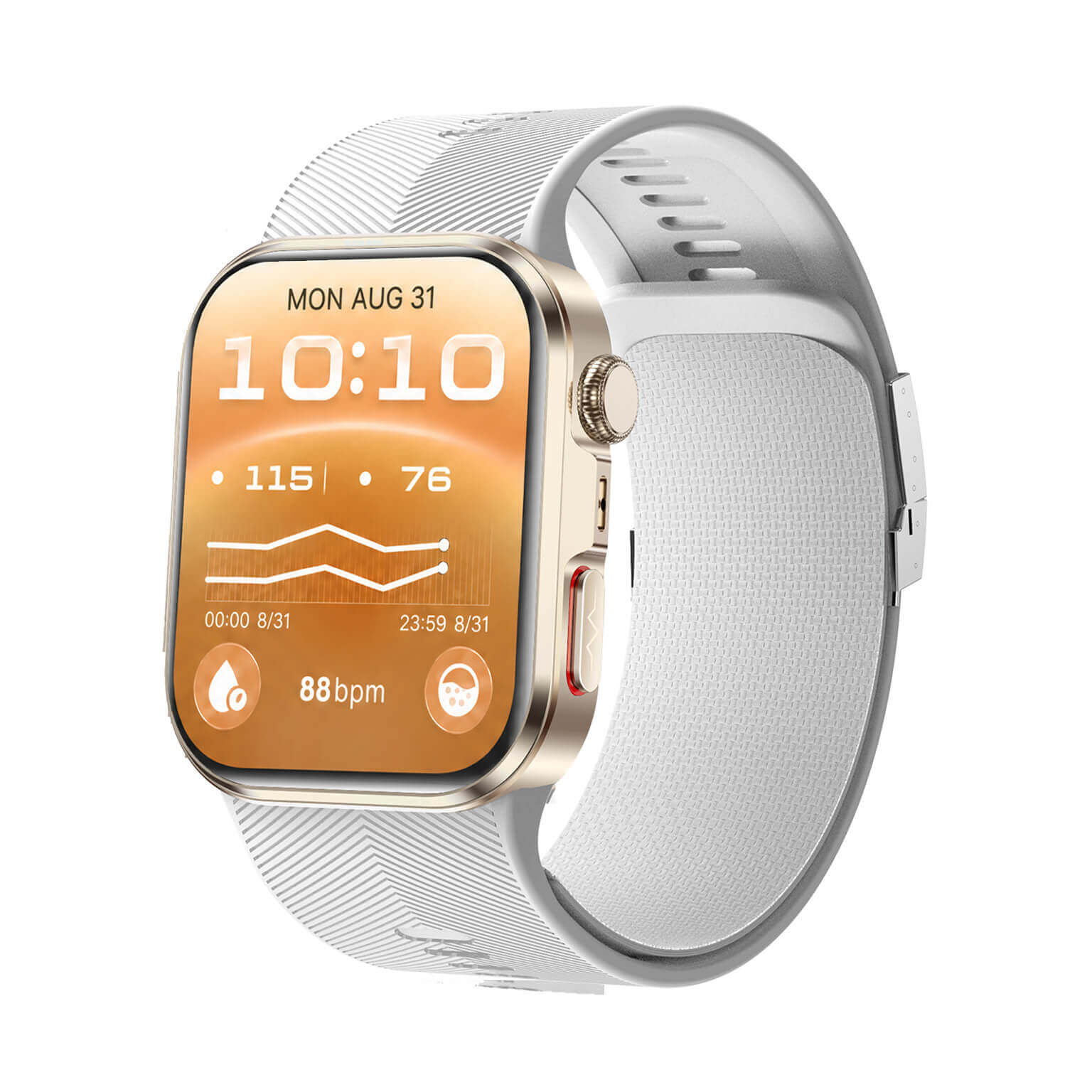
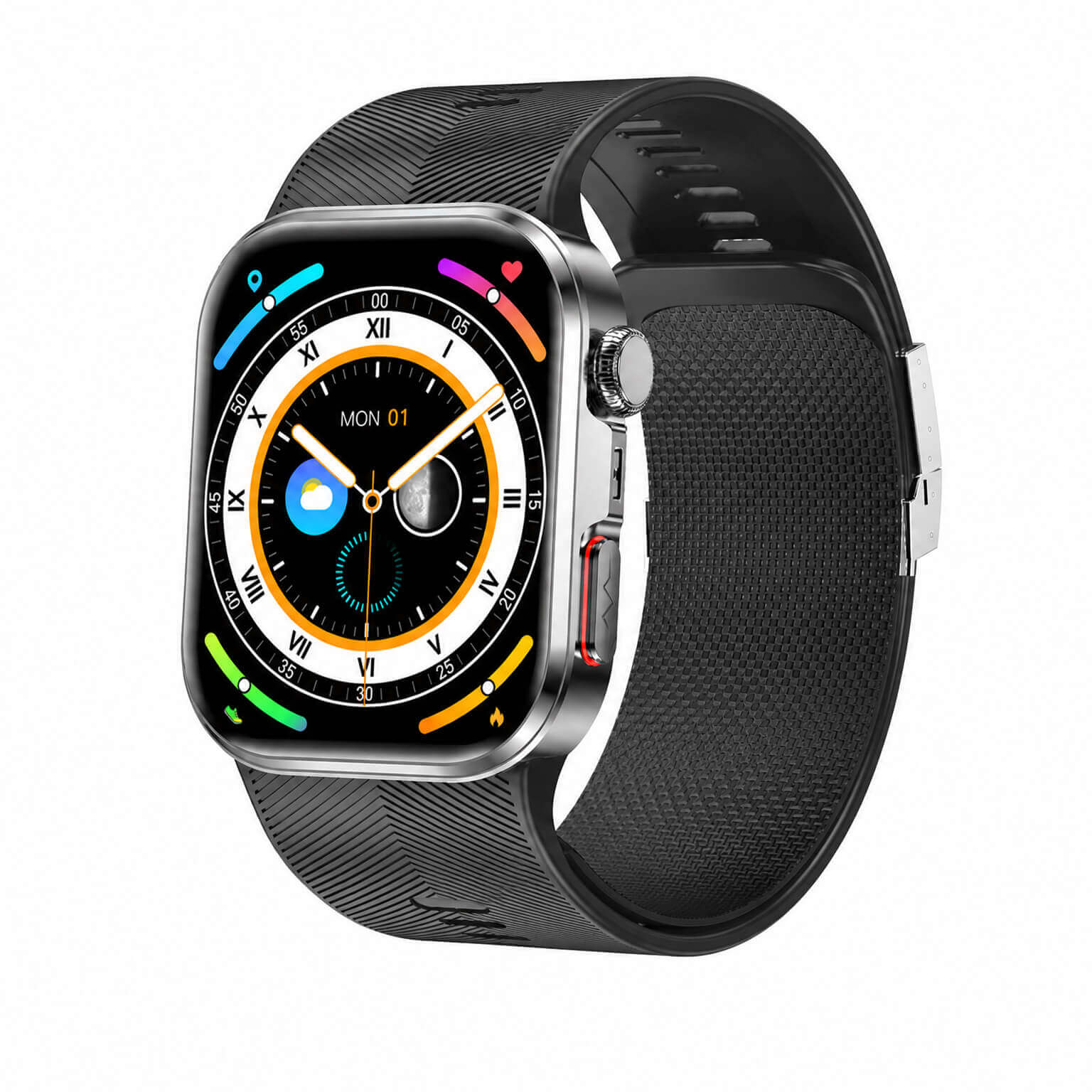
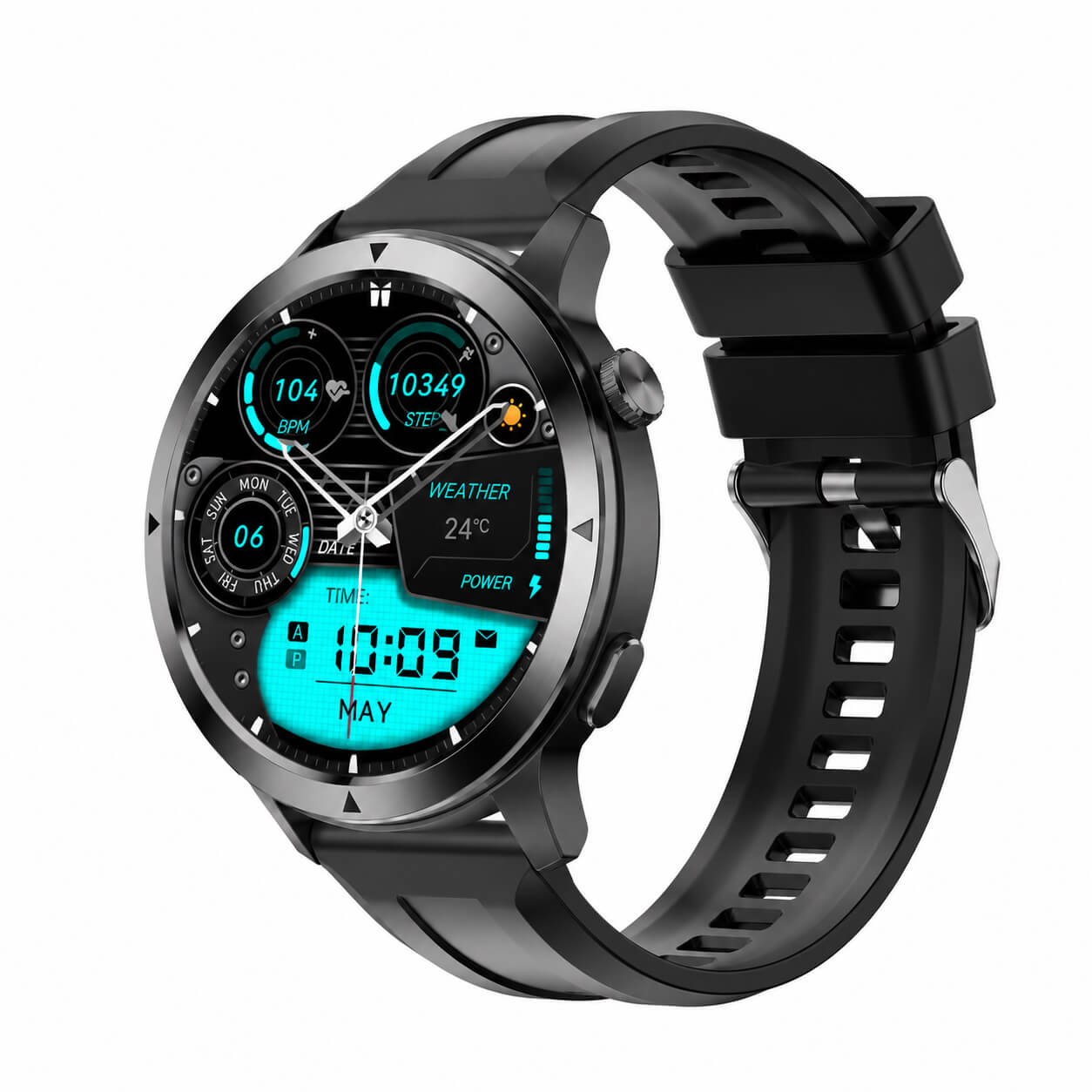
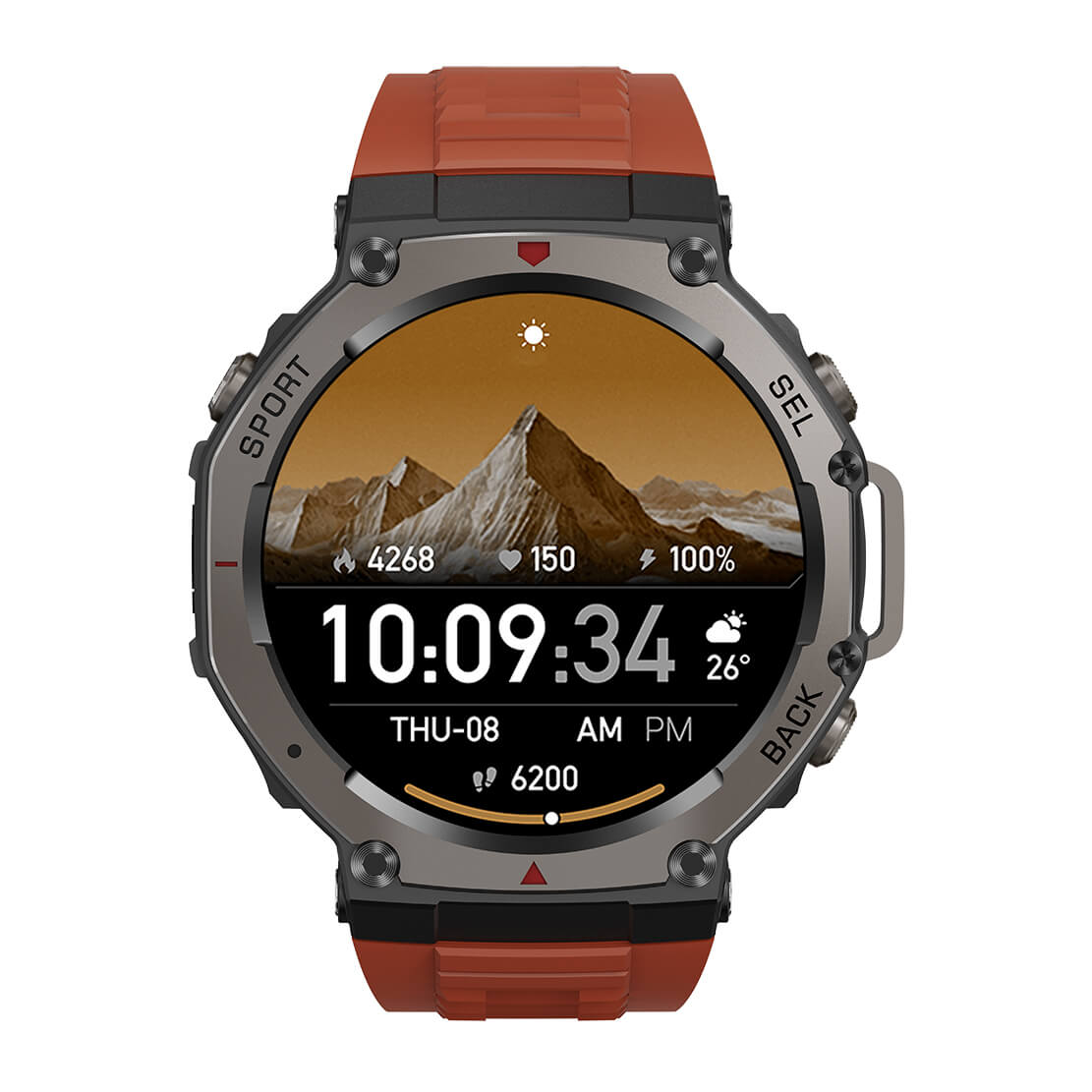
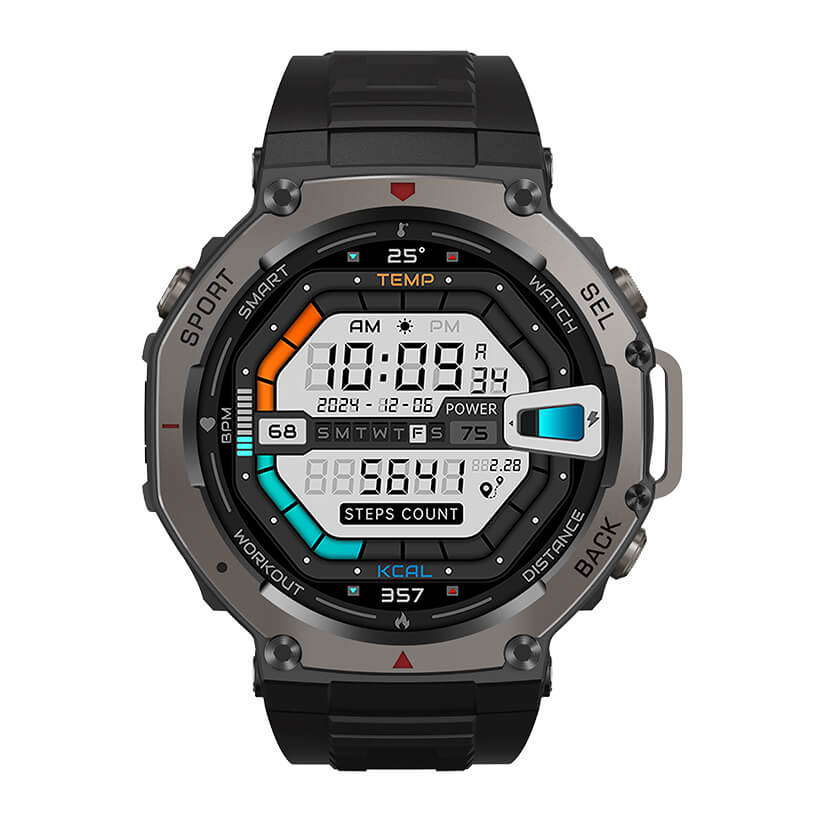
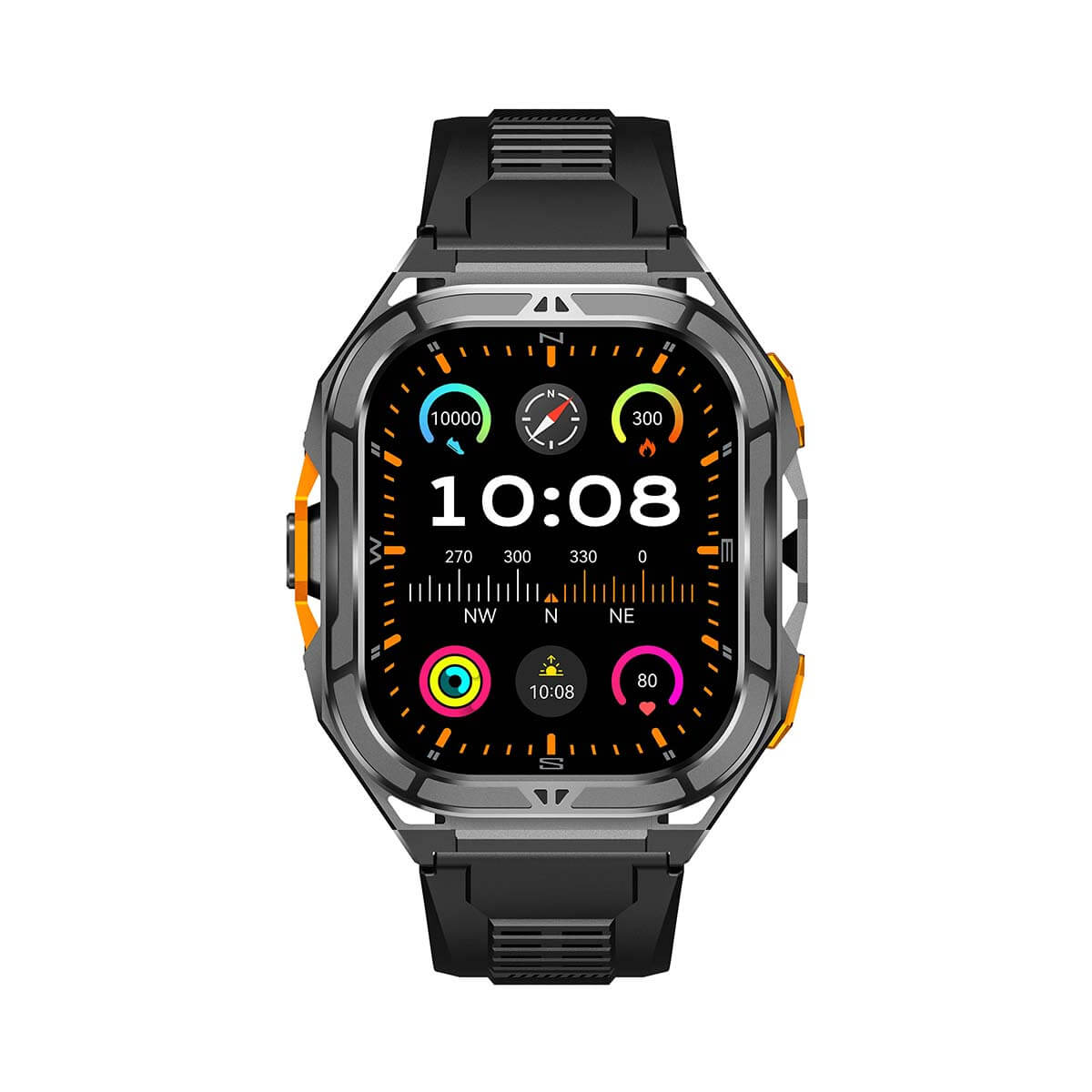
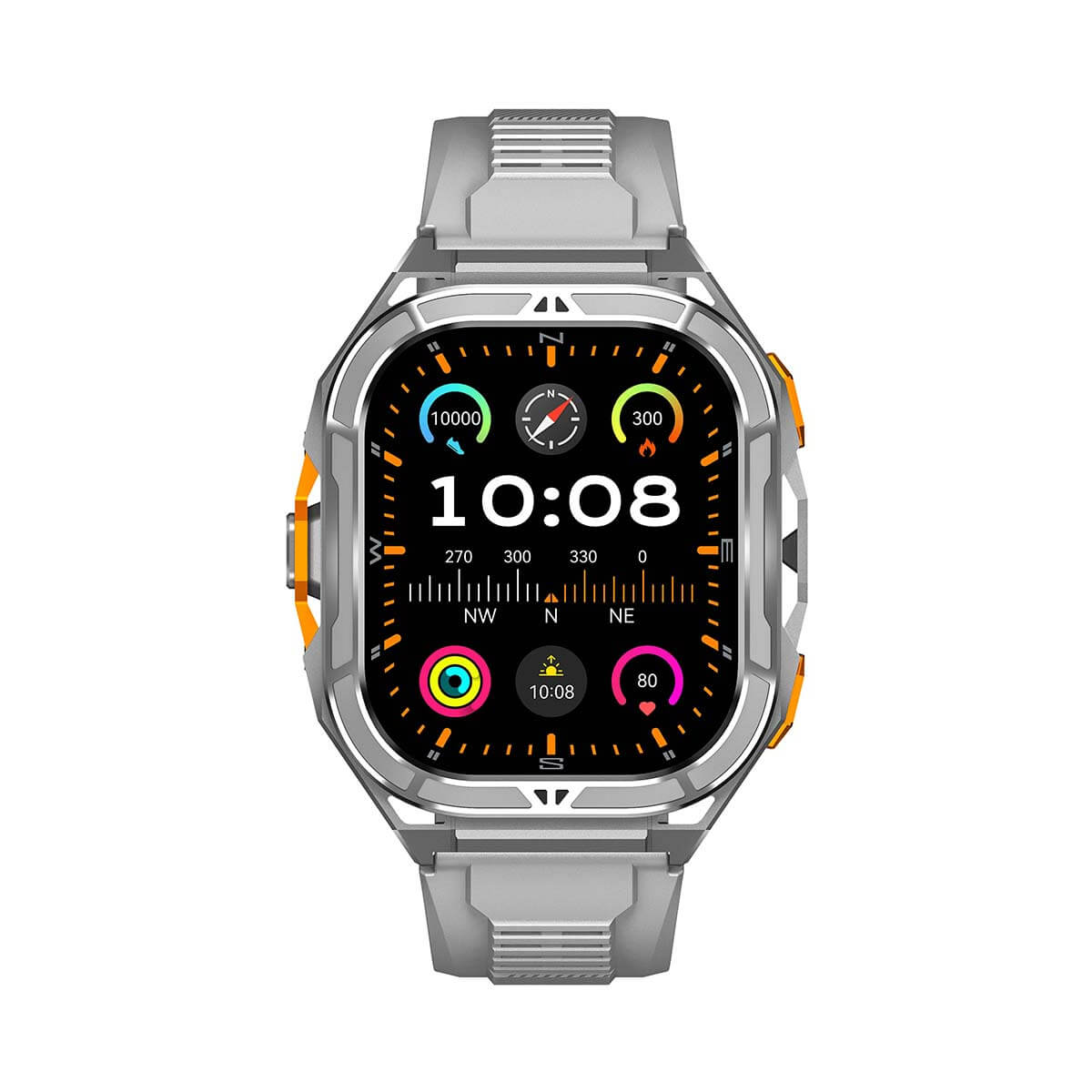
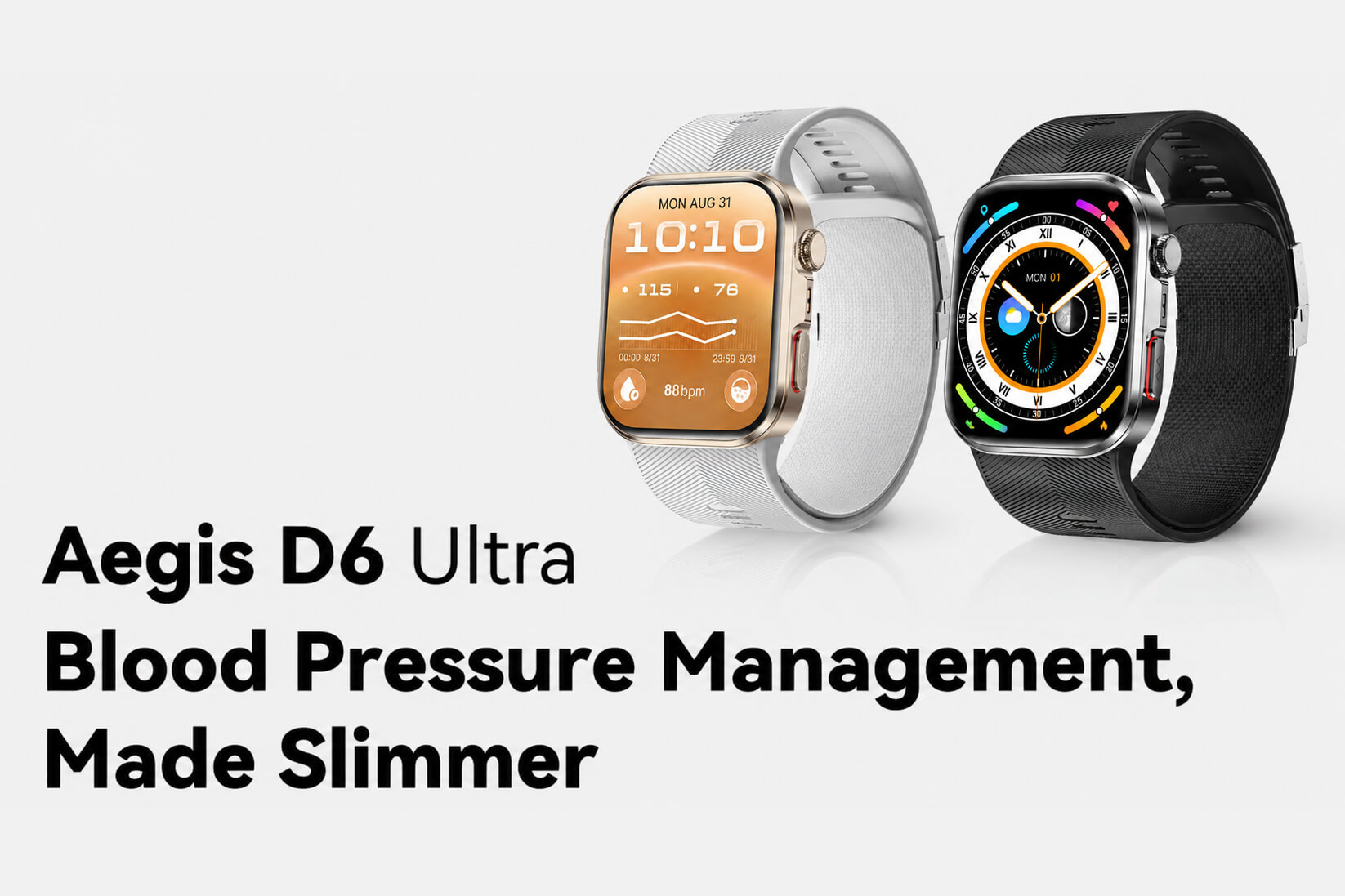
The Aegis D6 Ultra smart blood pressure watch lists “EDA Stress & Emotional Tracking” among its principal features.
According to the product description, the D6 Ultra uses EDA to monitor physiological responses associated with stress, emotions and fatigue. In this context, “emotional tracking” should be understood as the observation of arousal trends—not the identification of whether a person feels happy, angry or anxious.
The D6 Ultra brings several functions together in one device:
- EDA stress and emotional trend tracking;
- An inflatable wrist airbag;
- Oscillometric blood pressure measurement;
- Heart-rate and ECG-related wellness trends;
- Blood oxygen, temperature and sleep tracking;
- Fall detection;
- Daily activity and wellness records.
This makes the D6 Ultra more than a single-purpose stress-monitoring watch. It is a broader health wearable designed to combine EDA, wellness trends, wrist blood pressure measurement and older-adult safety features.
It may be particularly suitable for users who want to reduce the number of separate devices they use while monitoring blood pressure, stress trends and fall-related safety. Its value comes primarily from this combination of functions. It does not mean that its EDA measurements have been proven superior to research-grade equipment or competing consumer devices.
4. Aegis M6: Understanding Stress and Recovery Through ECG, PPG and HRV
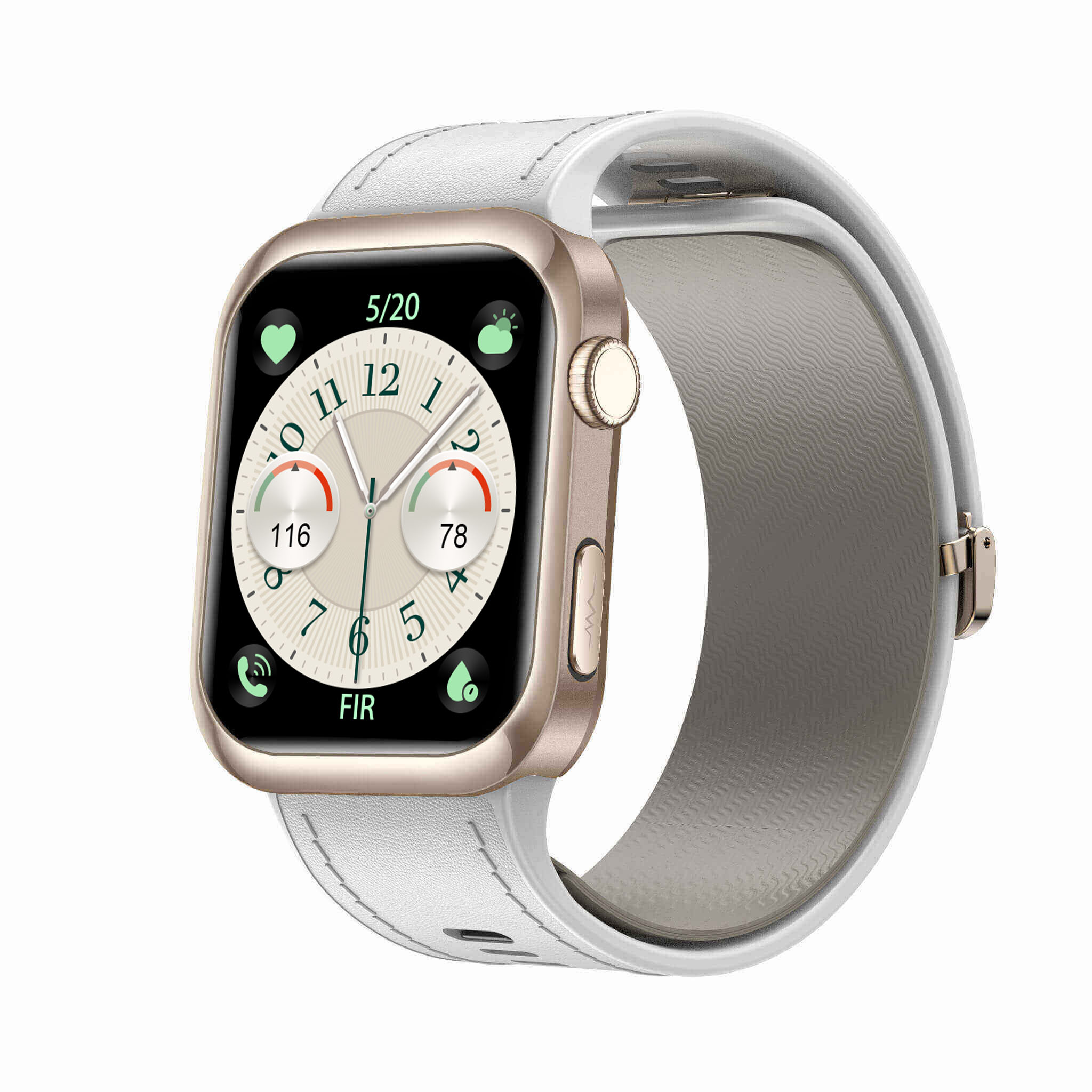
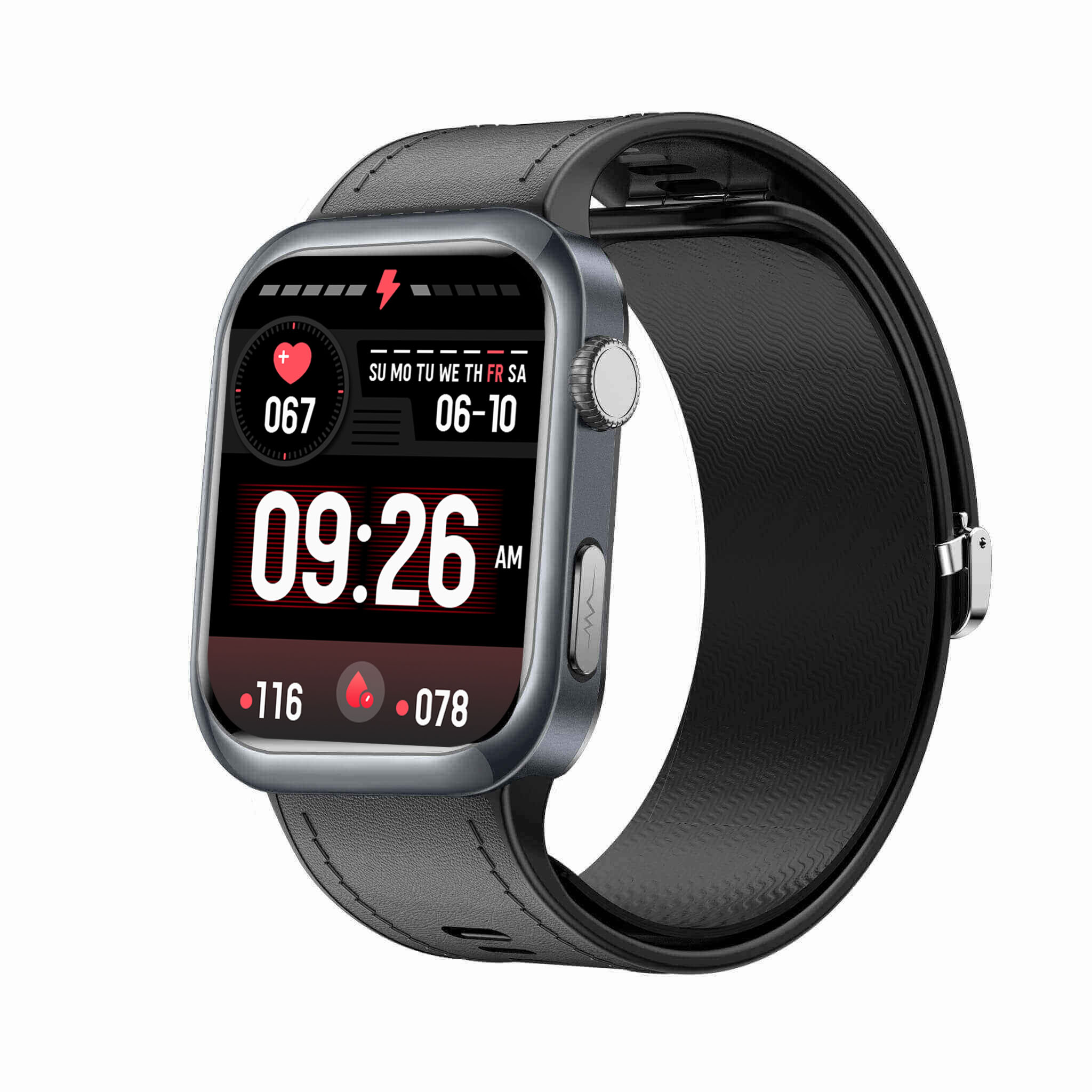
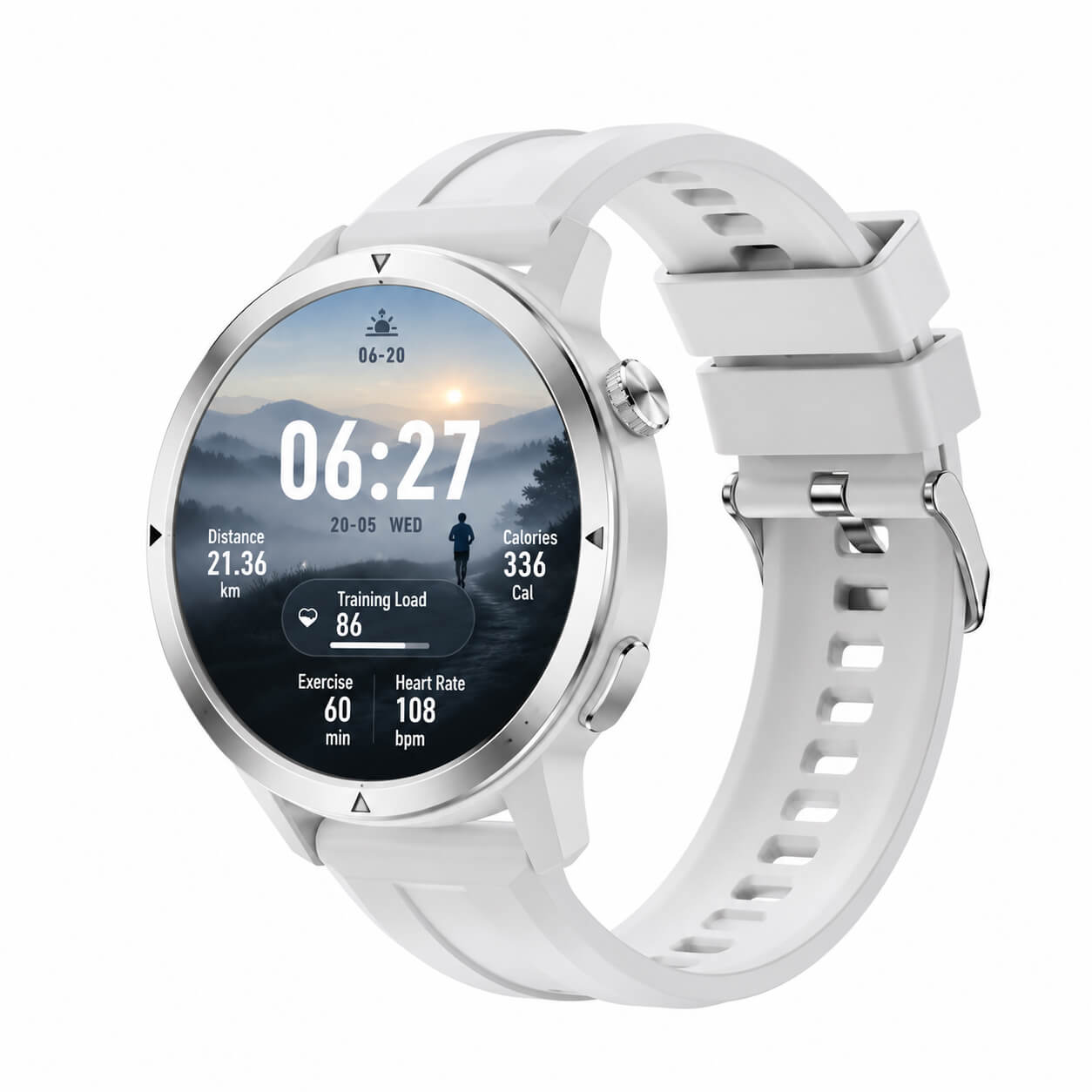
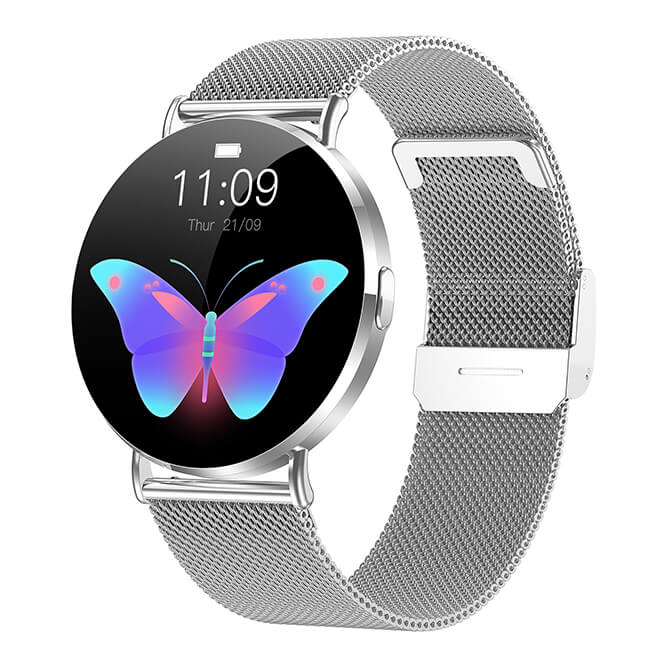
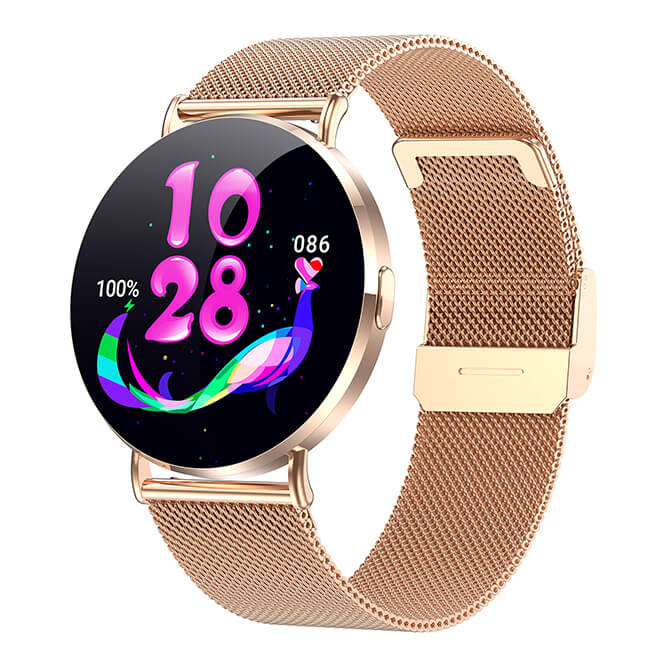
The public product page for the Aegis M6 health-monitoring smartwatch does not explicitly list an EDA sensor. Instead, it provides a different approach to stress and recovery monitoring:
- ECG recording;
- PPG optical pulse monitoring;
- HRV analysis and historical comparisons;
- Real-time stress trends;
- Heart-rate, rhythm and blood oxygen monitoring;
- Sleep and breathing trend analysis;
- Integrated wellness reports.
HRV describes changes in the intervals between consecutive heartbeats. It is associated with autonomic regulation and recovery. The M6 combines ECG and PPG data with HRV and other measurements to help users observe stress and heart-health trends.
Compared with the D6 Ultra, the M6 may be more suitable for users who prioritize ECG, HRV, a conventional smartwatch design and a lower entry cost. The D6 Ultra is more specifically designed for users who want EDA, inflatable blood pressure measurement and fall detection.
The two products are not simply higher- and lower-tier versions of the same watch. They represent two different approaches to everyday health monitoring.
5. How Do Fitbit, Huawei and Garmin Monitor Stress?
Many wearable brands display a “stress score,” but the sensors and algorithms behind that score are not necessarily the same.
Fitbit Sense: The EDA Approach
The Fitbit Sense family is one of the better-known examples of consumer EDA technology. Certain models use EDA or continuous EDA sensors alongside heart rate, HRV and user-recorded emotions to provide stress-related insights.
However, wrist-based EDA remains sensitive to sensor placement, movement and electrode contact. A 2023 study comparing the Fitbit Sense, Empatica E4 and Shimmer GSR3+ identified differences in electrodermal and cardiac measurements between devices. See the wearable-device comparison study.
Huawei: Stress Monitoring Does Not Automatically Mean EDA
Some Huawei watches provide stress or emotional trend records. The results may be generated by combining heart-rate information, HRV and proprietary algorithms.
A watch displaying a stress value should not automatically be assumed to contain an electrodermal sensor. Buyers should check whether the specifications for the exact model explicitly mention EDA, GSR or skin conductance.
Garmin: Primarily an HRV-Based Approach
Stress tracking on some Garmin devices is primarily based on HRV rather than EDA. The algorithms may combine HRV, sleep and activity data to estimate daily stress and body-energy trends.
This does not make the HRV approach unscientific. It simply shows that “stress monitoring” is not one standardized technology. HRV and EDA can both provide useful information, but they observe different physiological processes.
6. Why Is Wrist-Based EDA Difficult to Measure?
The fingers and palms contain a relatively high density of sweat glands, making them preferred measurement locations in many research settings. The wrist is more convenient for daily wear, but it introduces additional challenges:
- Movement-related signal artifacts;
- Loose straps or unstable electrode contact;
- Changes in temperature and perspiration;
- Differences in individual skin characteristics;
- Baseline drift during extended wear;
- Measurement sessions that are too short.
Raw EDA data may also require filtering, motion-artifact removal and separation of tonic and phasic components. For more information, see this systematic review of EDA data collection and signal processing.
A stress score displayed by a smartwatch is therefore an algorithmically interpreted result, not the same as an unprocessed laboratory skin-conductance measurement.
7. How to Use EDA and Stress Data Responsibly
1. Look for trends rather than isolated scores
A single increase in EDA may be caused by movement, warm weather, excitement or a change in strap position. Personal patterns observed over several days or weeks are usually more informative.
2. Compare results with your own baseline
Skin condition, sweat-gland activity and autonomic responses vary considerably between individuals. Avoid directly comparing your stress score with another user’s score.
3. Combine EDA with HRV, heart rate and sleep
If higher EDA occurs alongside an elevated resting heart rate, lower HRV and poorer sleep, the combined pattern may provide more useful context about sustained physiological load. No single measurement can fully explain a person’s psychological state.
4. Record what was happening at the time
When you notice a stress-related change, record whether you were in a meeting, exercising, drinking coffee or resting quietly. Context often provides more insight than an isolated score.
5. Do not treat the result as a mental-health diagnosis
A four-week observational study published in 2025 identified possible associations between EDA, skin temperature, stress and depressive characteristics among office workers. See the observational study.
This association does not mean that a smartwatch can diagnose depression, anxiety or another mental-health condition. EDA is currently better suited to research and trend observation than to clinical diagnosis.
8. Which Aegis Watch Should You Choose?
If your priorities include EDA, wrist blood pressure measurement and fall detection, the Aegis D6 Ultra smart blood pressure watch provides the more targeted combination of features.
The D6 Ultra brings EDA stress-trend monitoring, inflatable oscillometric blood pressure measurement, heart-rate and sleep tracking, and fall detection together in one device. It may be a better match for users interested in broader wellness trends and older-adult safety features.
If you place greater importance on ECG, PPG, HRV analysis, heart-rate trends and a conventional smartwatch experience, the Aegis M6 health-monitoring smartwatch may be the lighter and more economical choice.
The value of each model comes from a different combination of capabilities:
- Aegis D6 Ultra: for users who want EDA, inflatable oscillometric blood pressure measurement and fall detection;
- Aegis M6: for users focused on ECG, PPG, HRV and everyday heart-health trends.
Prices and promotions may vary by region, currency and checkout date. Always confirm the final price on the relevant product page.
Final Conclusion
EDA is not pseudoscience, but neither is it a form of emotional mind-reading.
It can detect skin-conductance changes associated with sympathetic arousal, but it cannot independently identify the source of stress or diagnose anxiety, depression or another health condition. Its practical value comes from long-term trends, multiple measurements and appropriate interpretation within context.
Within the Aegis range, the D6 Ultra is the model whose public product information explicitly includes EDA. It also combines wrist blood pressure measurement and fall detection. Although the M6 product page does not explicitly list EDA, the watch offers an alternative approach to stress and recovery trends through ECG, PPG and HRV.
Both watches can provide useful everyday wellness information, but they should be treated as health-management aids rather than medical diagnostic devices.
References
- Critchley HD. Electrodermal Responses: What Happens in the Brain. The Neuroscientist. 2002.
- Posada-Quintero HF, Chon KH. Innovations in Electrodermal Activity Data Collection and Signal Processing: A Systematic Review. Sensors. 2020.
- Schmidt P, et al. Introducing WESAD, a Multimodal Dataset for Wearable Stress and Affect Detection. 2018.
- Wearable Technologies for Electrodermal and Cardiac Activity Measurements: Fitbit Sense, Empatica E4 and Shimmer GSR3+. Sensors. 2023.
- Electrodermal Activity and Skin Temperature Characteristics Related to Stress and Depression. Journal of Affective Disorders Reports. 2025.