






-0.jpg?w=667&h=667)
-0.jpg?w=667&h=667)


You wake up in the morning and notice that your health app reports poor recovery or that your overnight heart rate and sleep trends look worse than usual. You did not stay up late or drink alcohol, so you begin to wonder: Is something wrong? Could this be an early sign of insomnia?
Many recovery algorithms use HRV—heart rate variability—as one of several inputs. However, HRV is neither a diagnostic test for insomnia nor a score in which higher is always better. It is more useful when interpreted alongside your personal baseline, sleep patterns, resting heart rate, recent activity and how you actually feel.
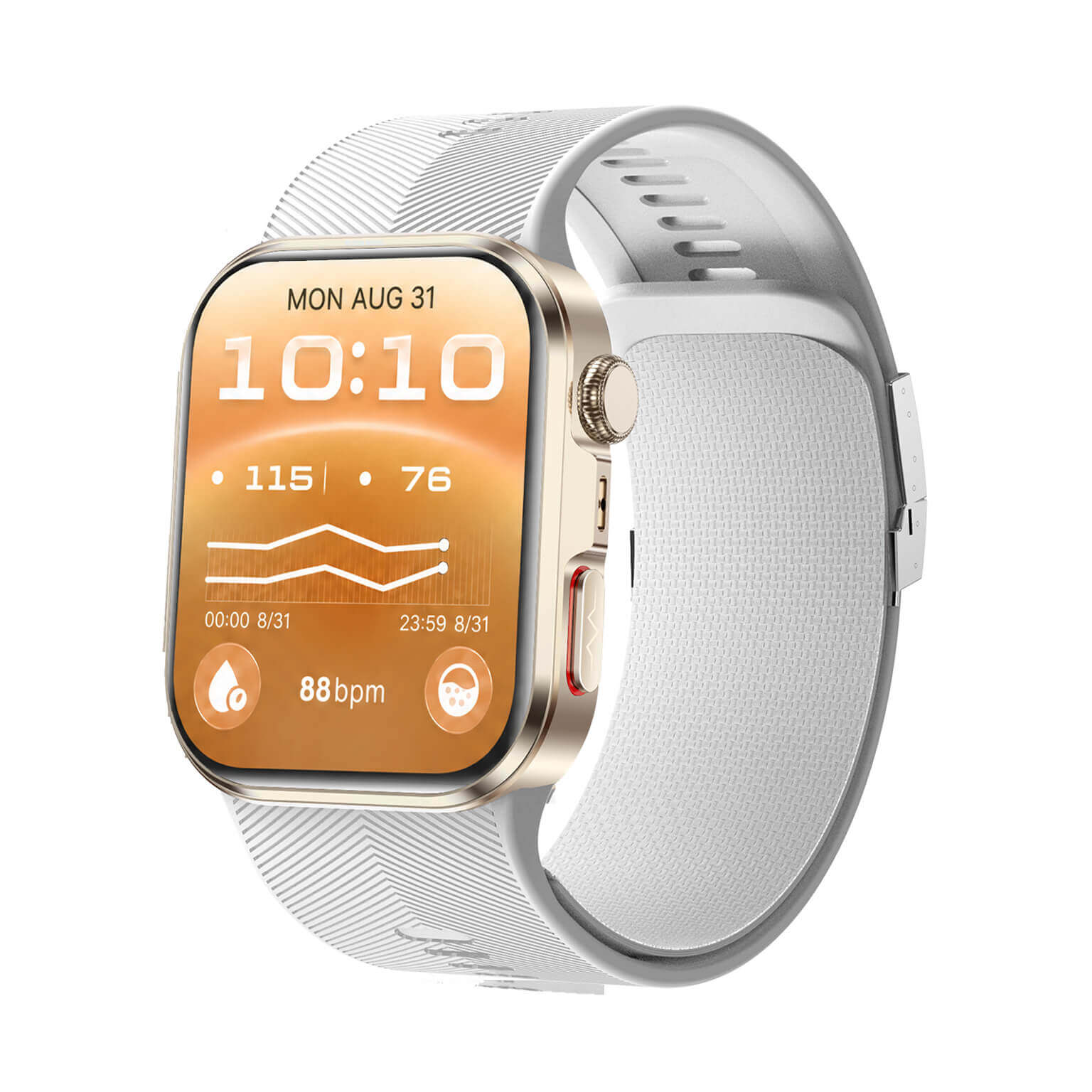
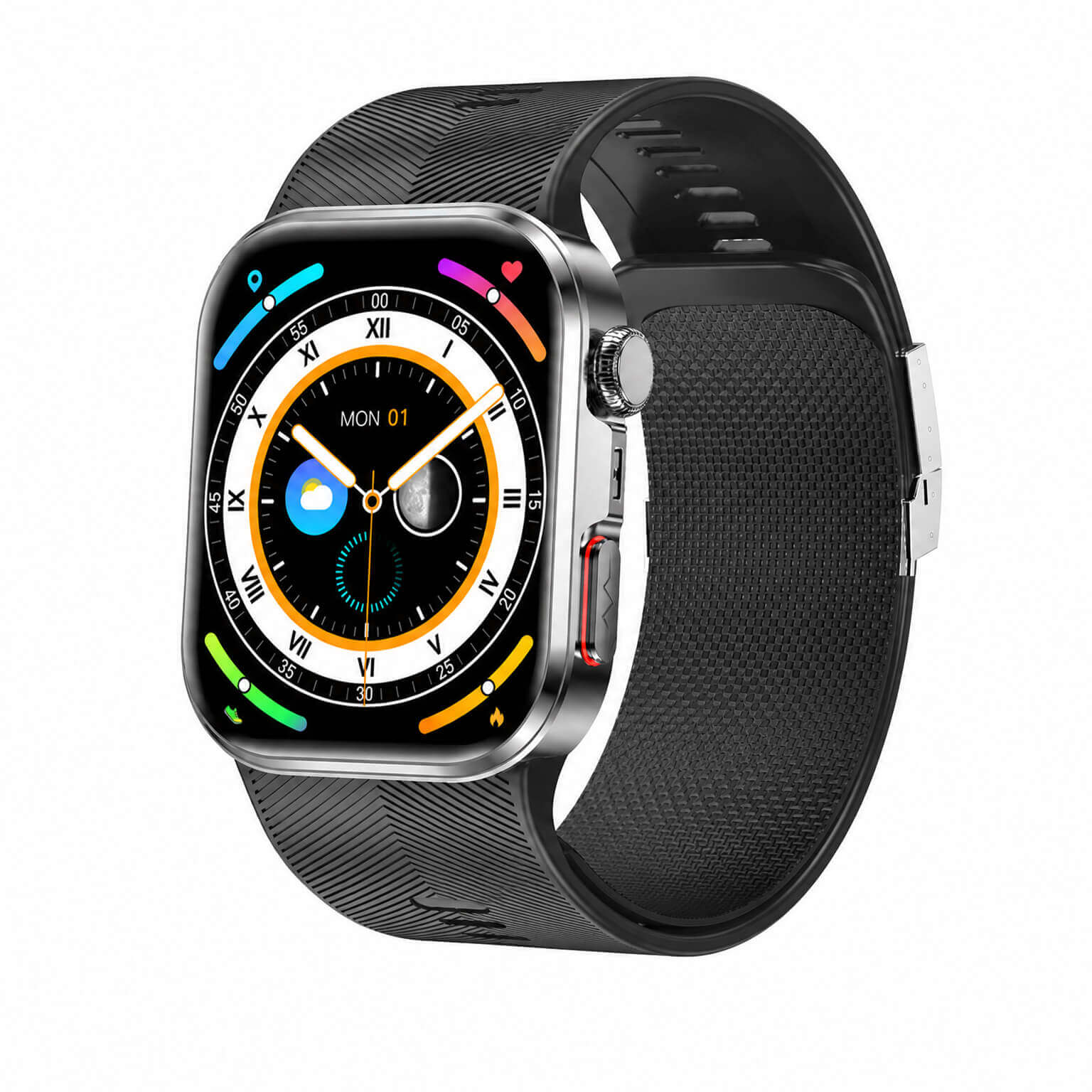
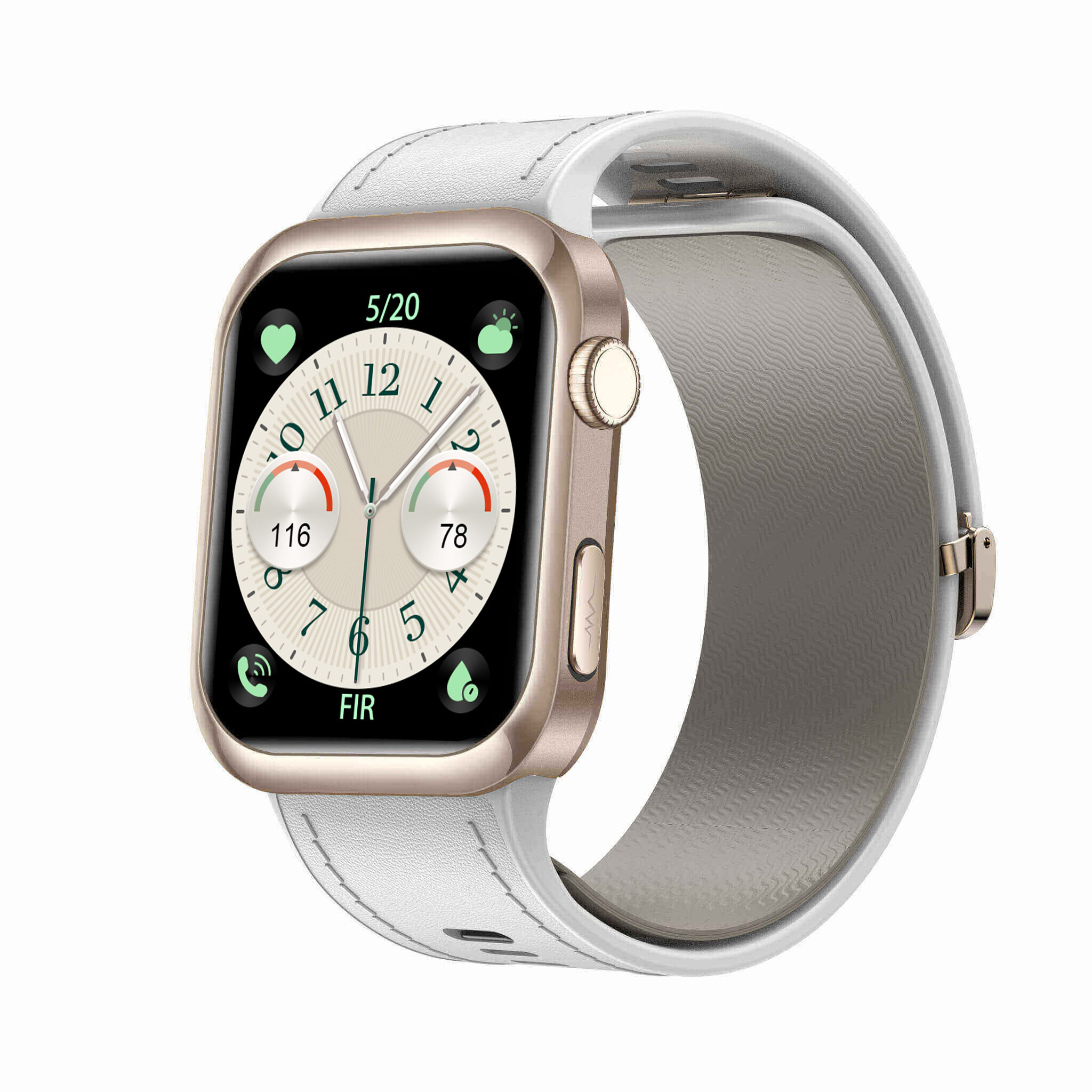
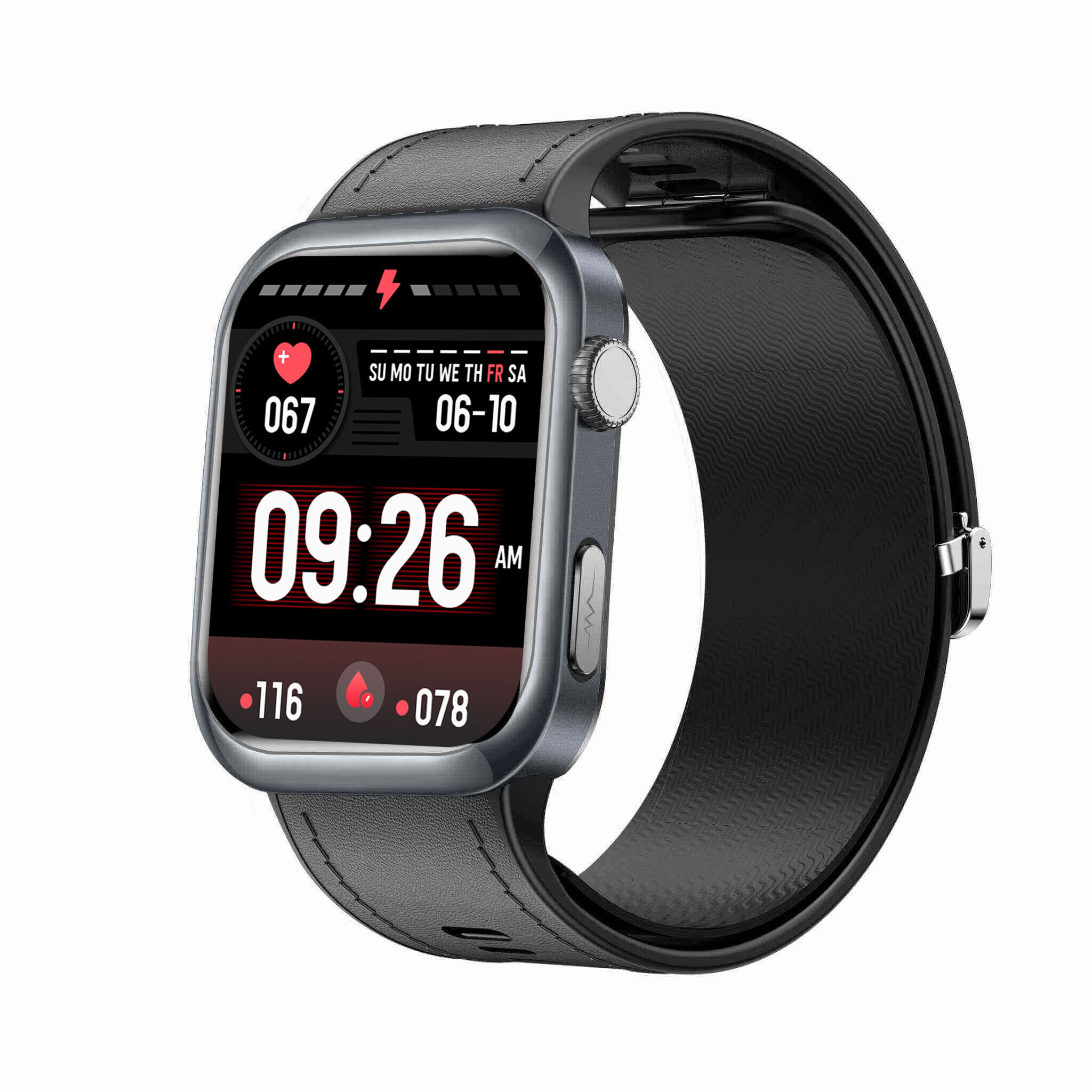
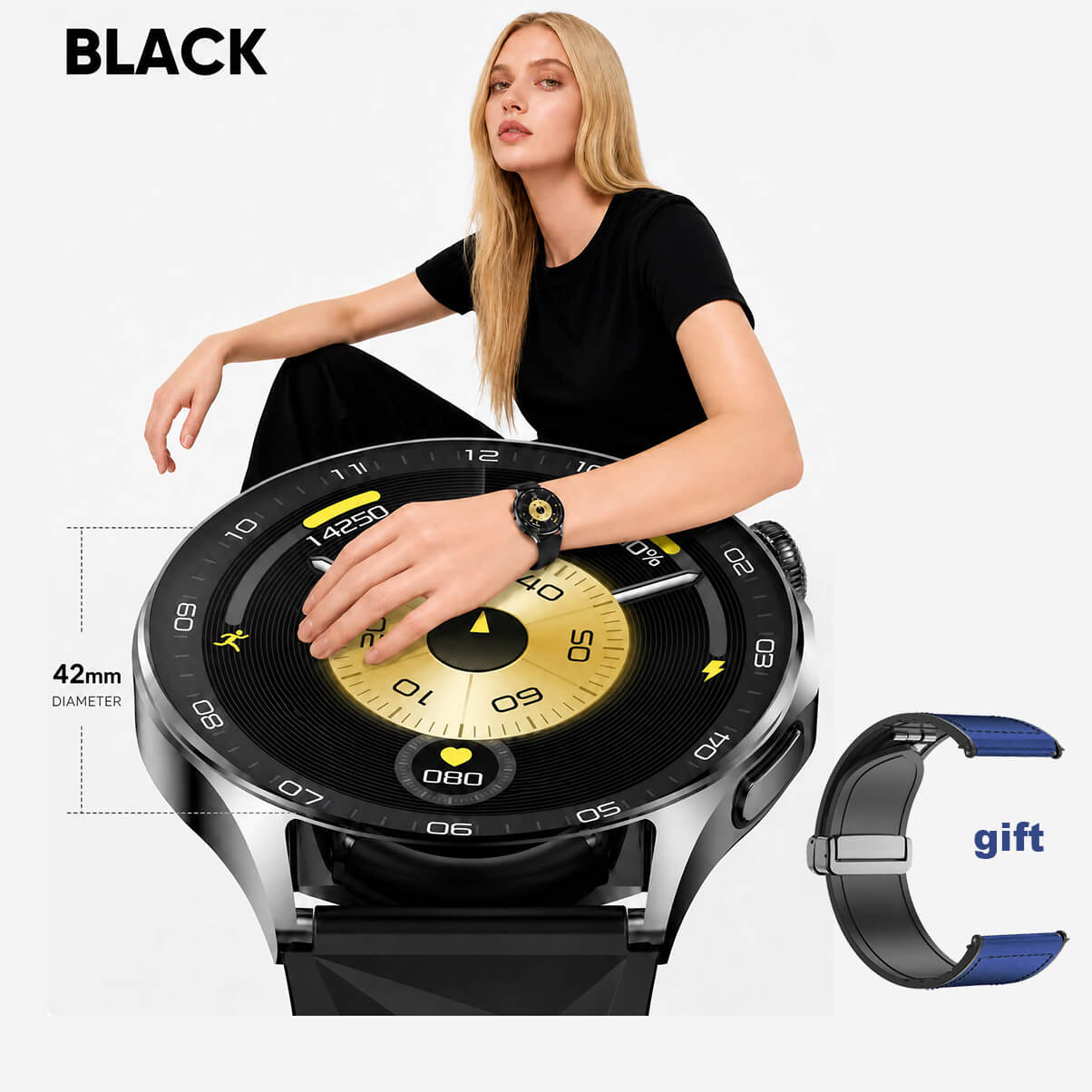
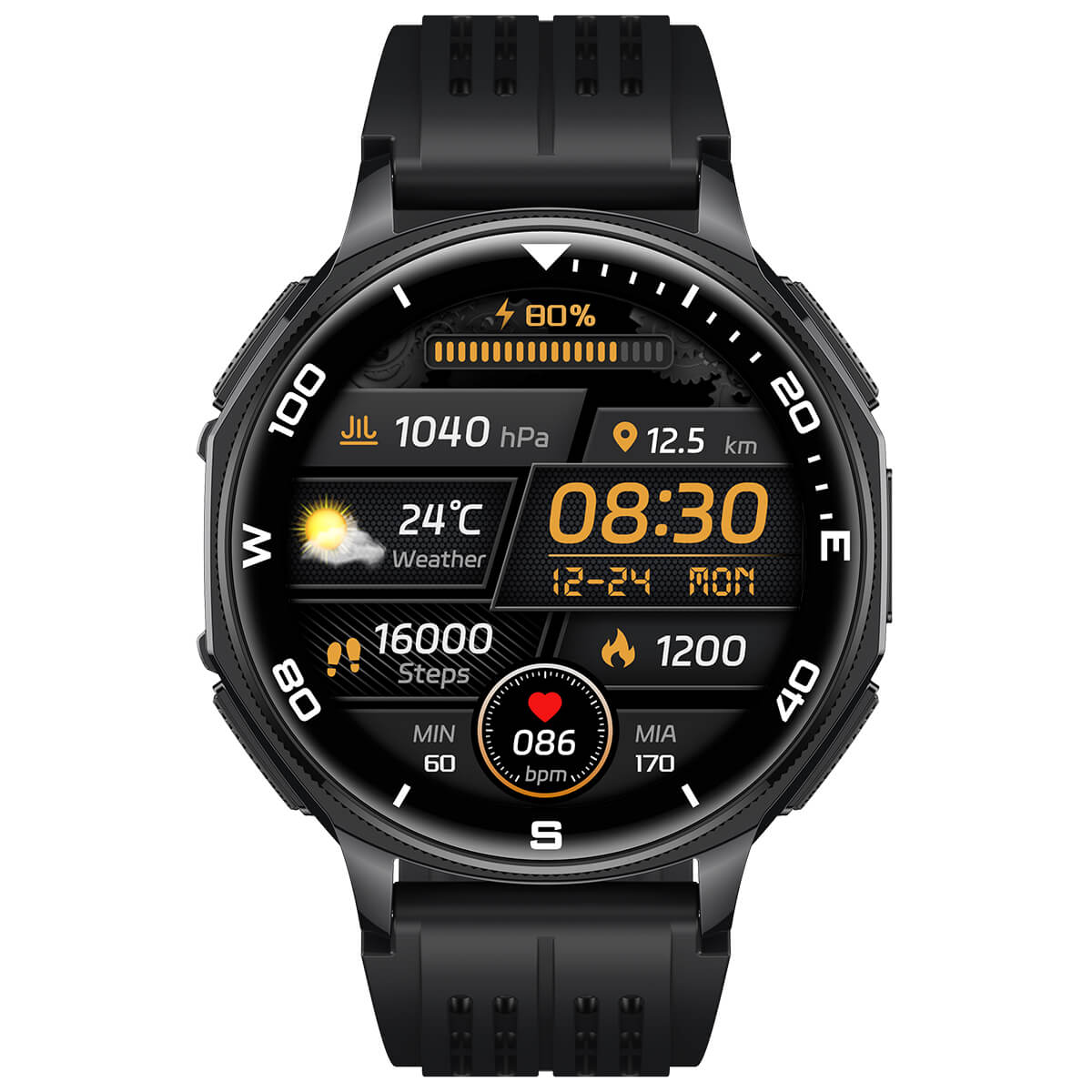
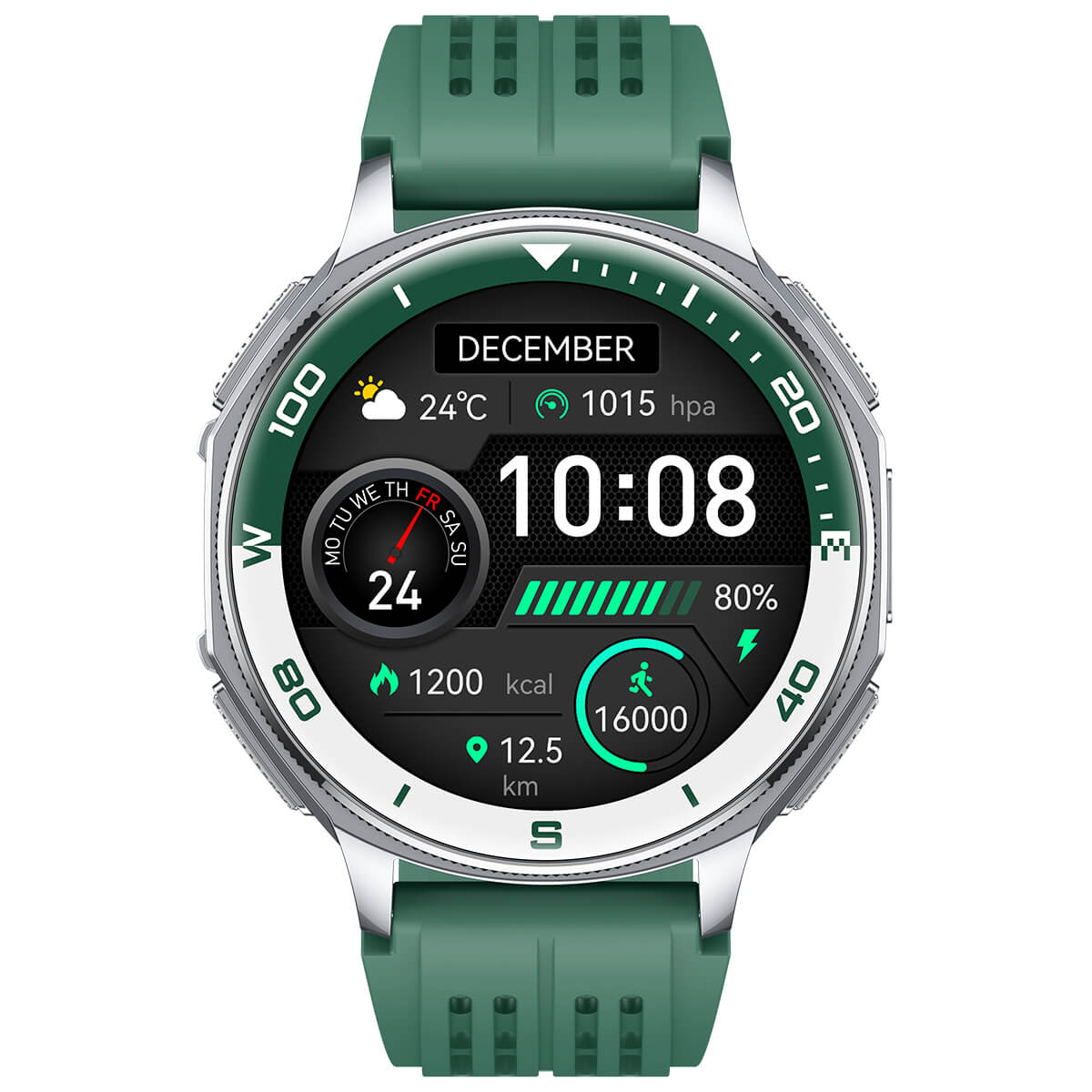
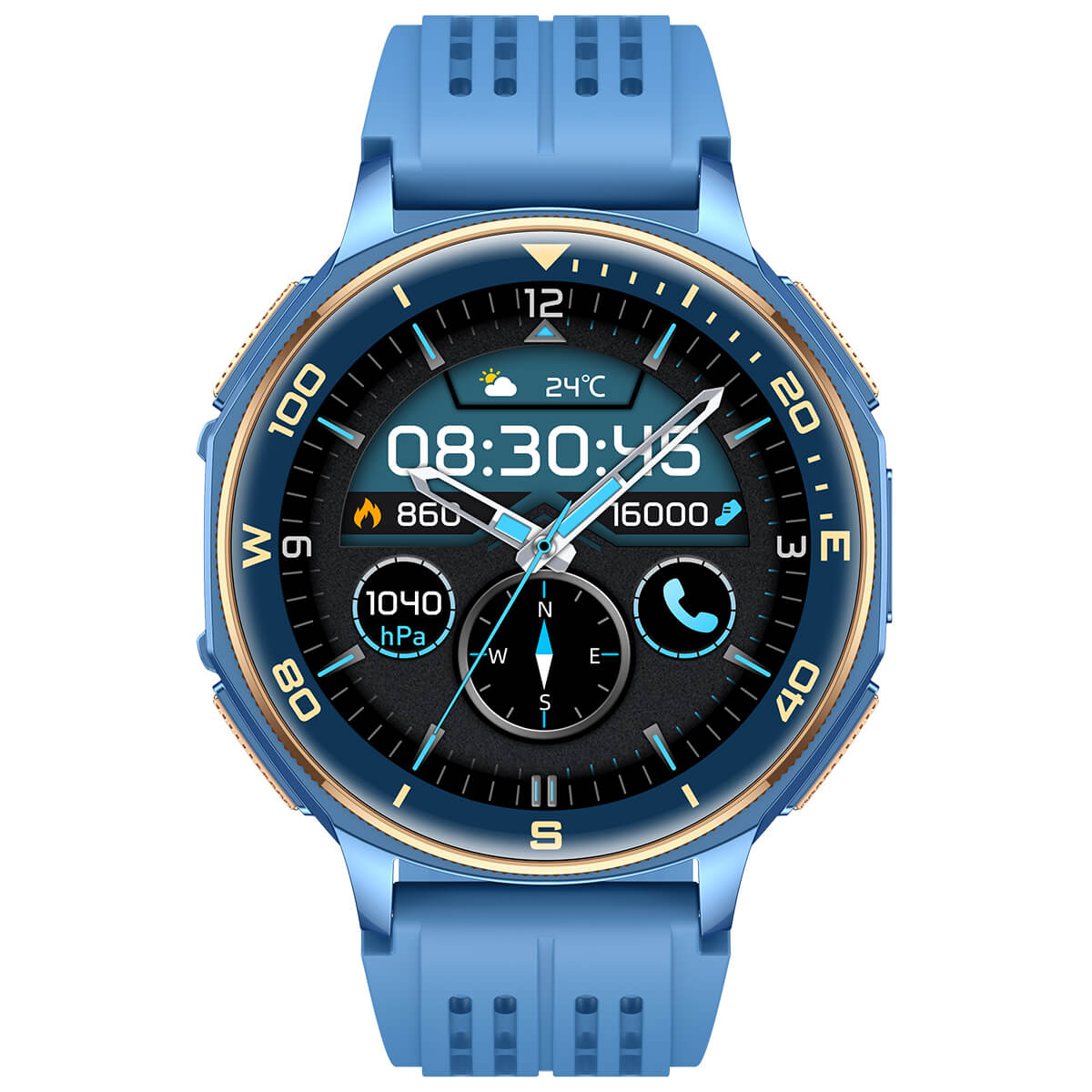
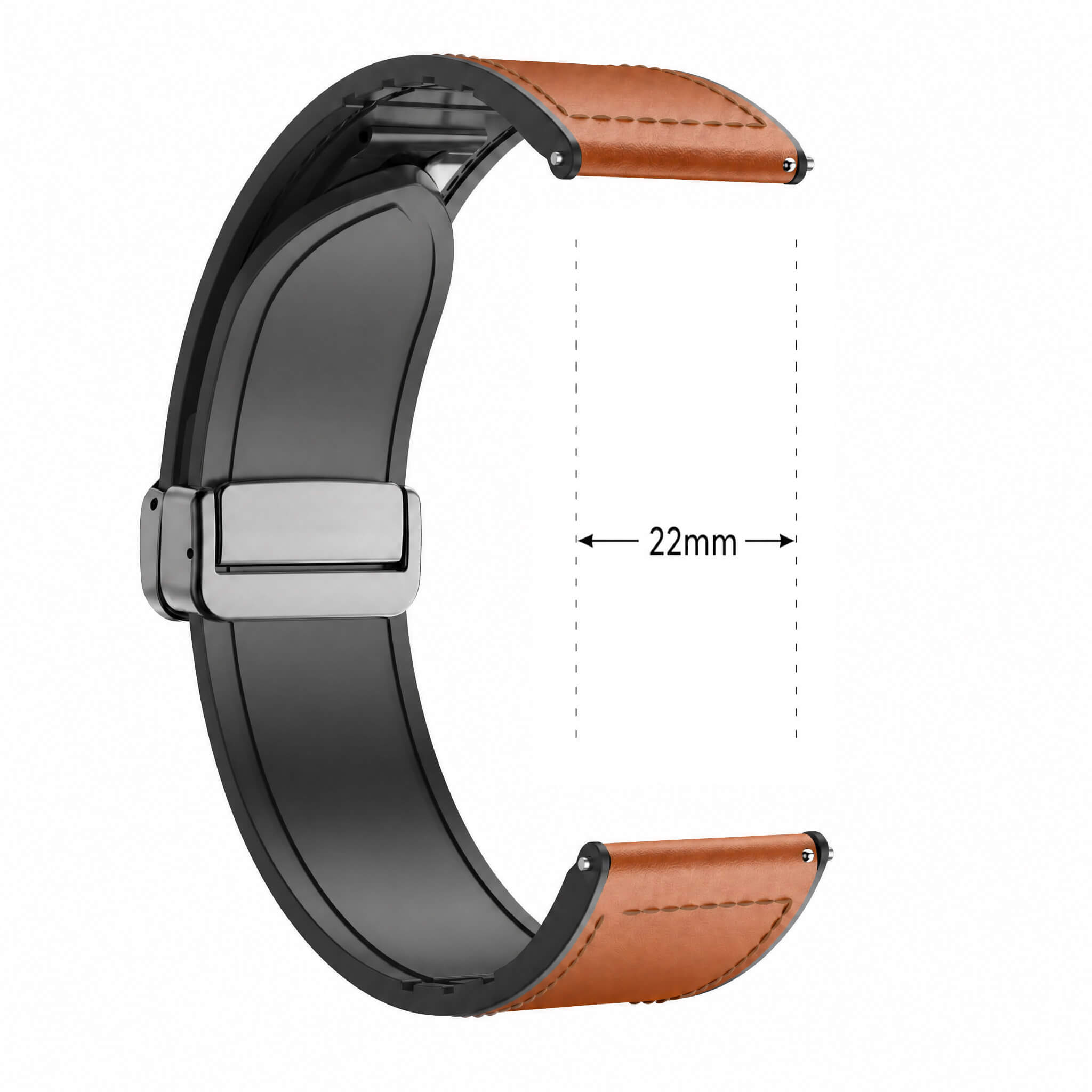
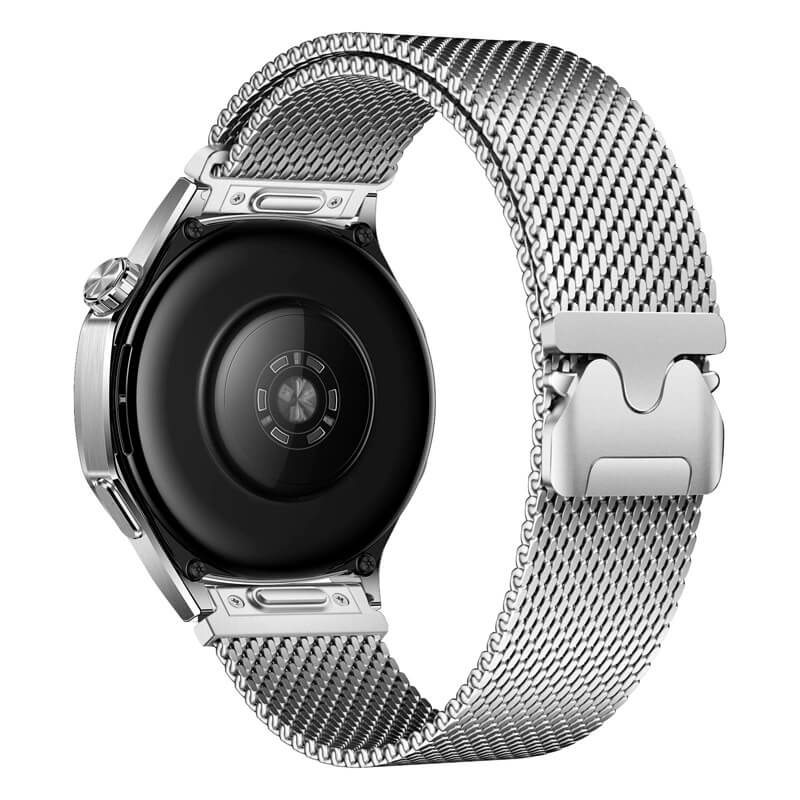
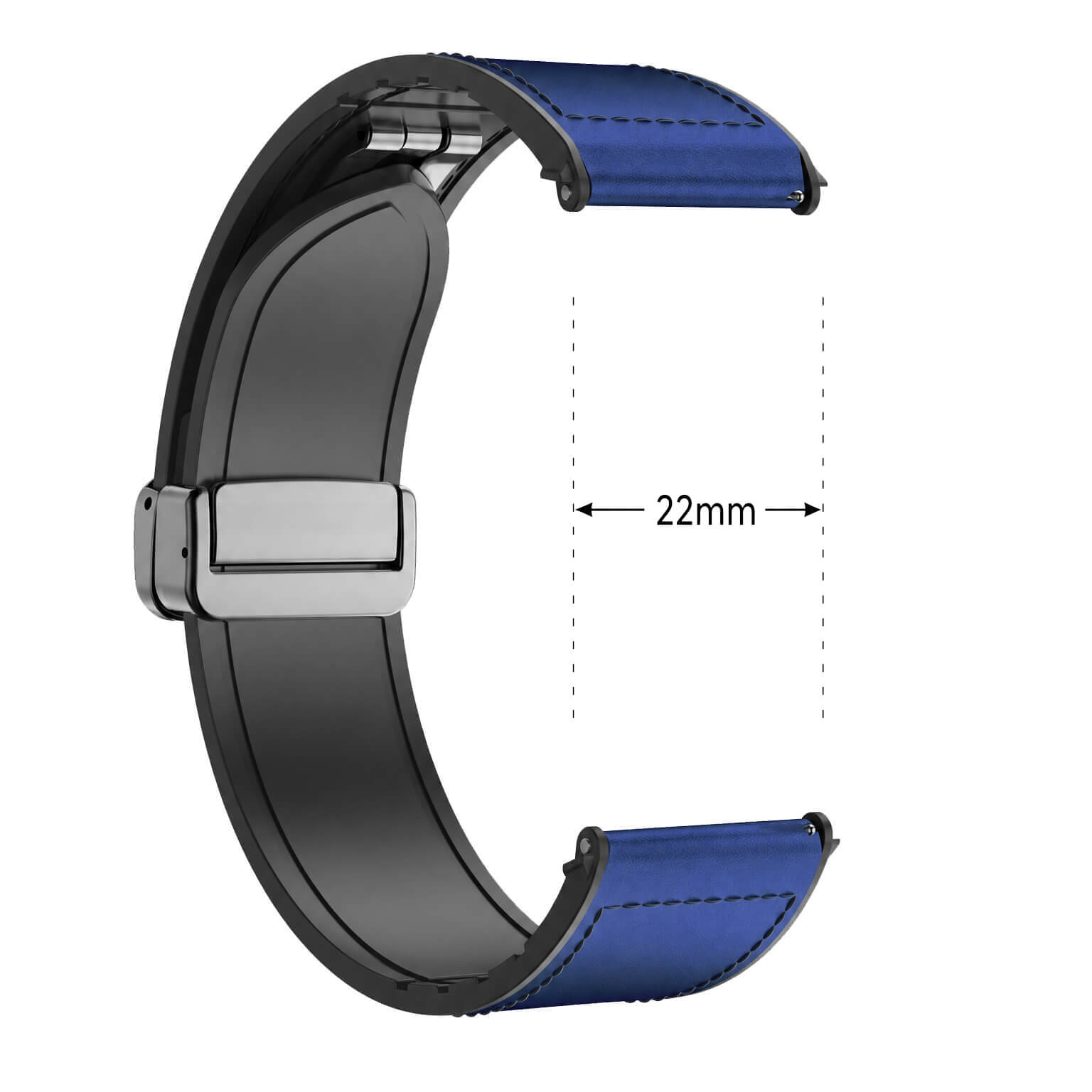
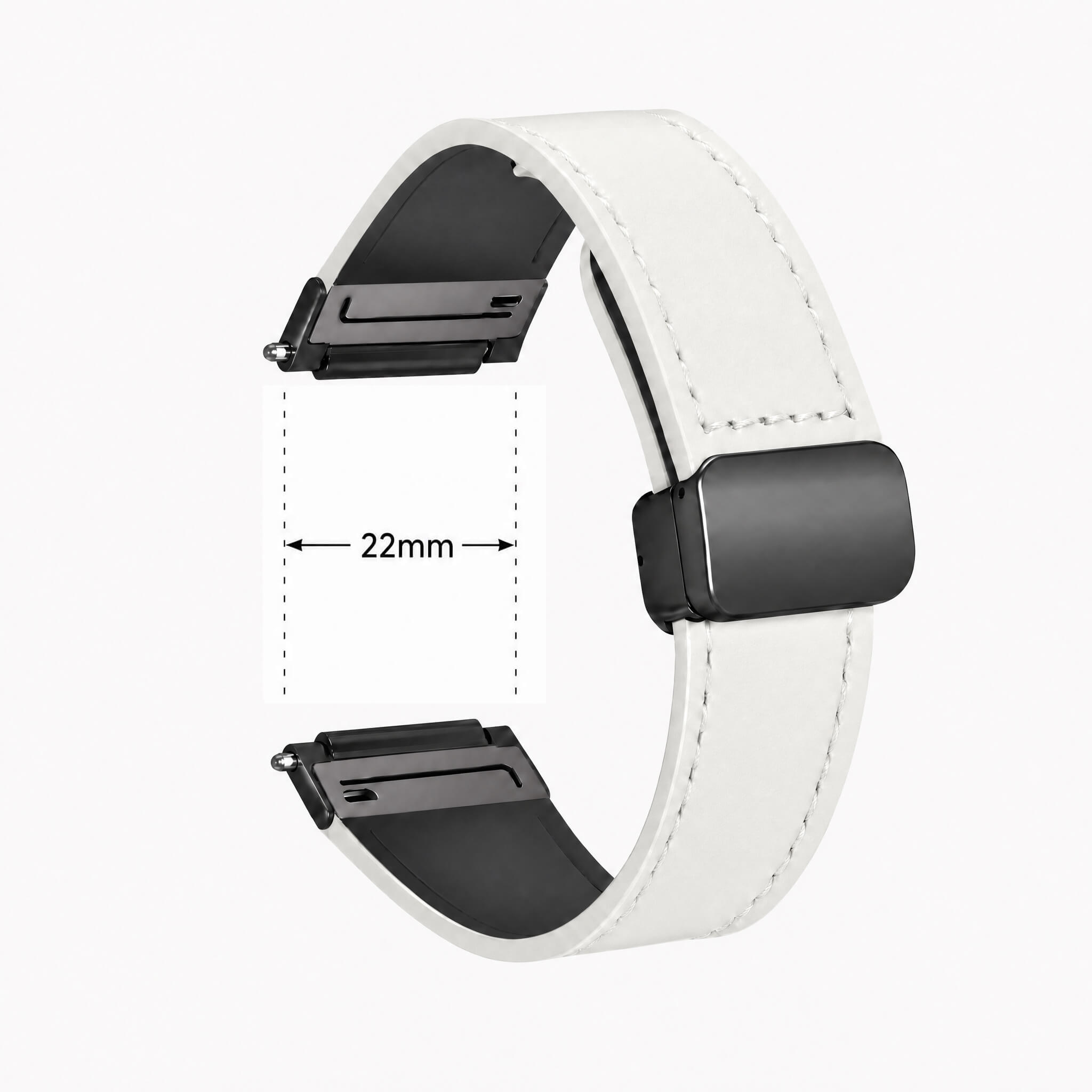
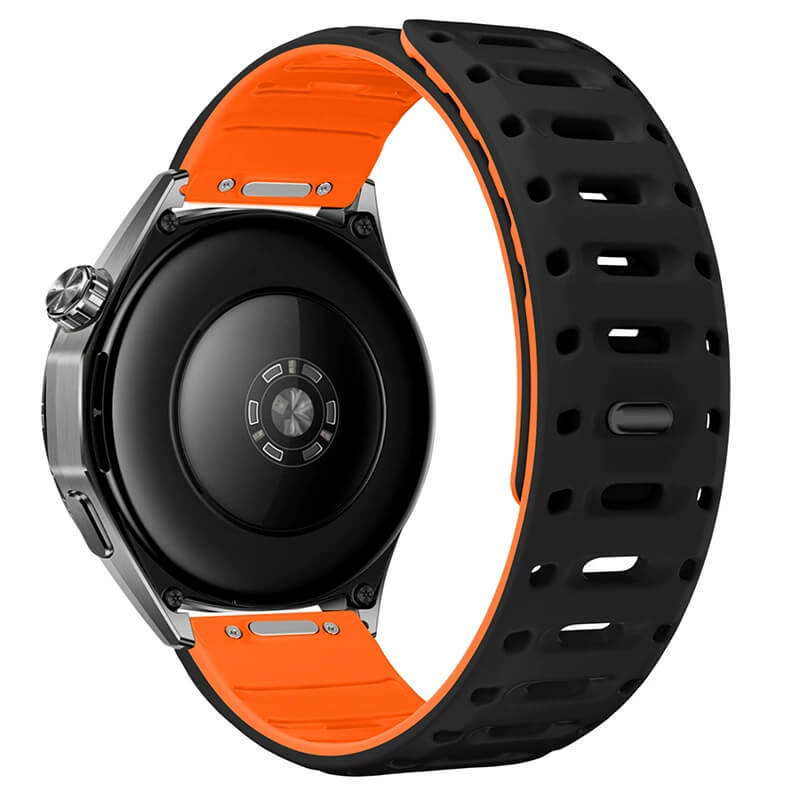
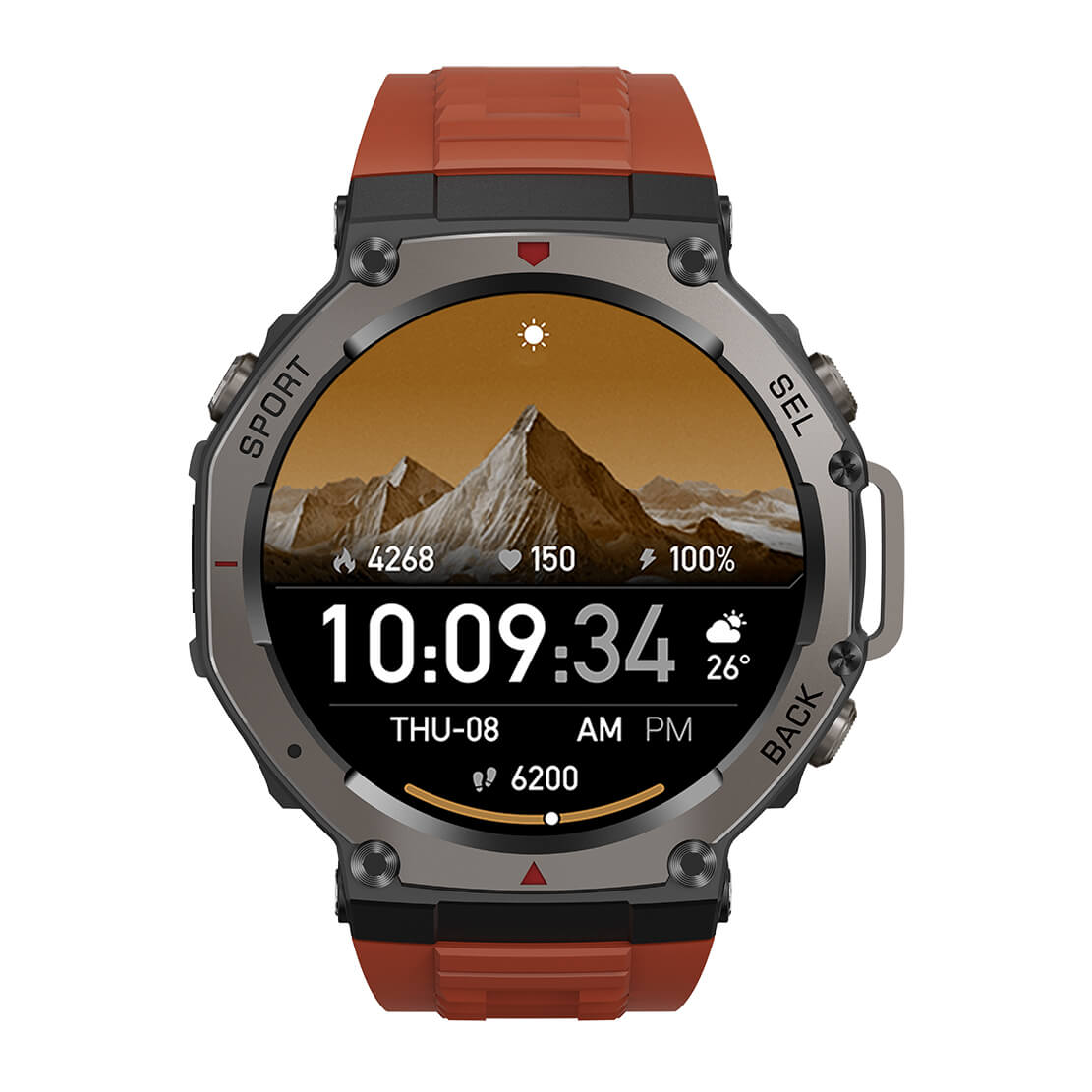
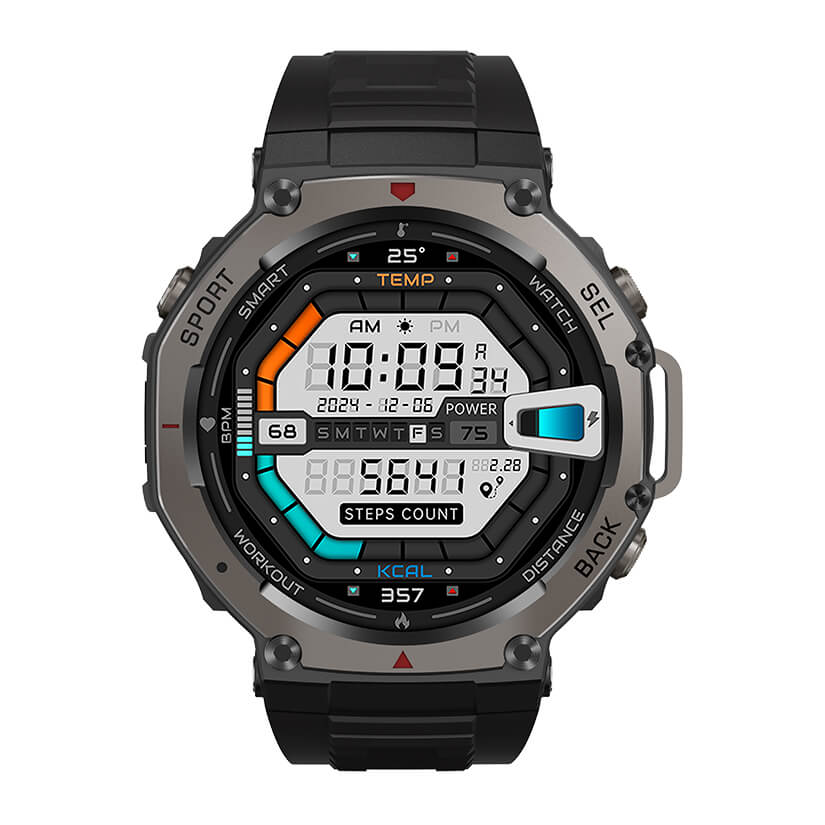
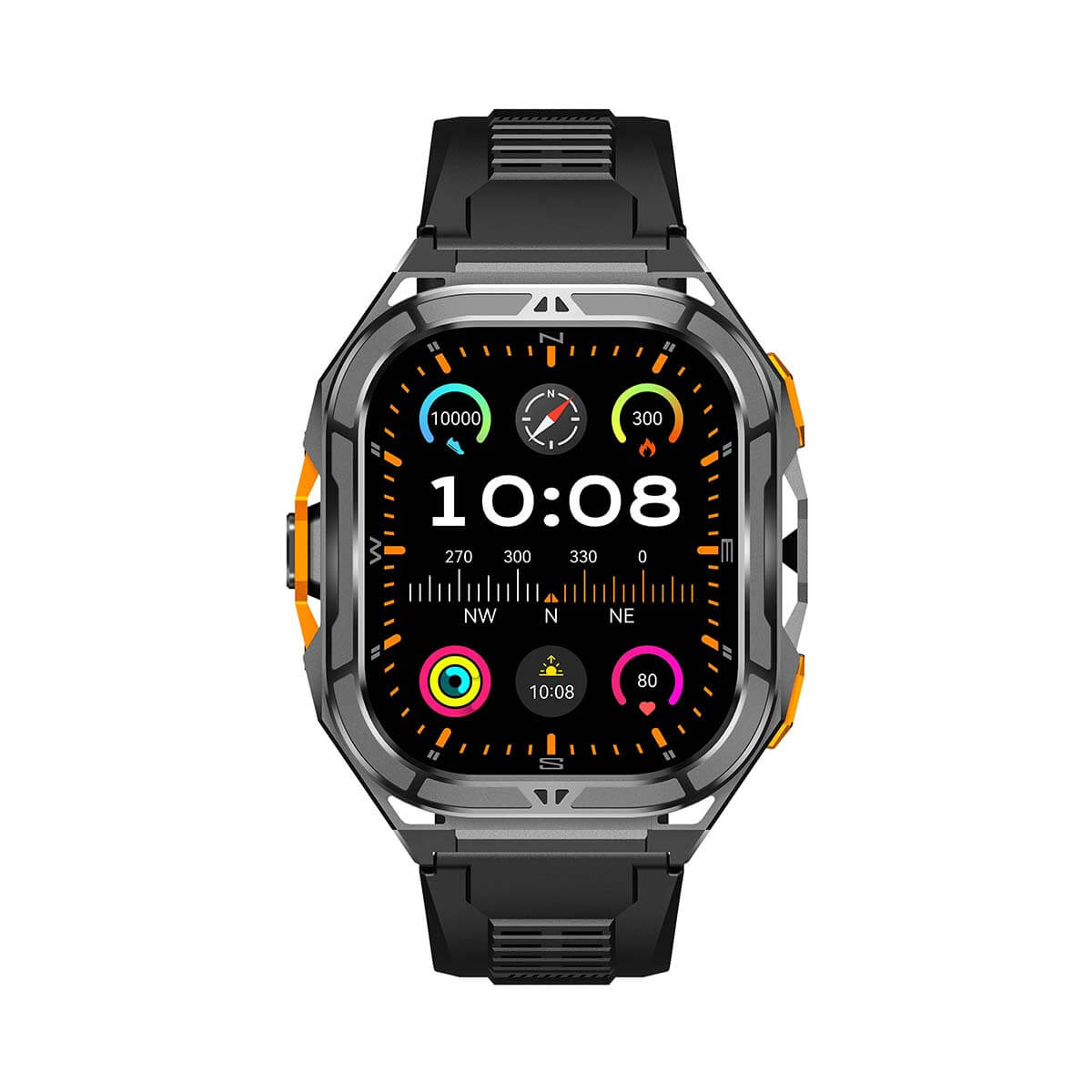
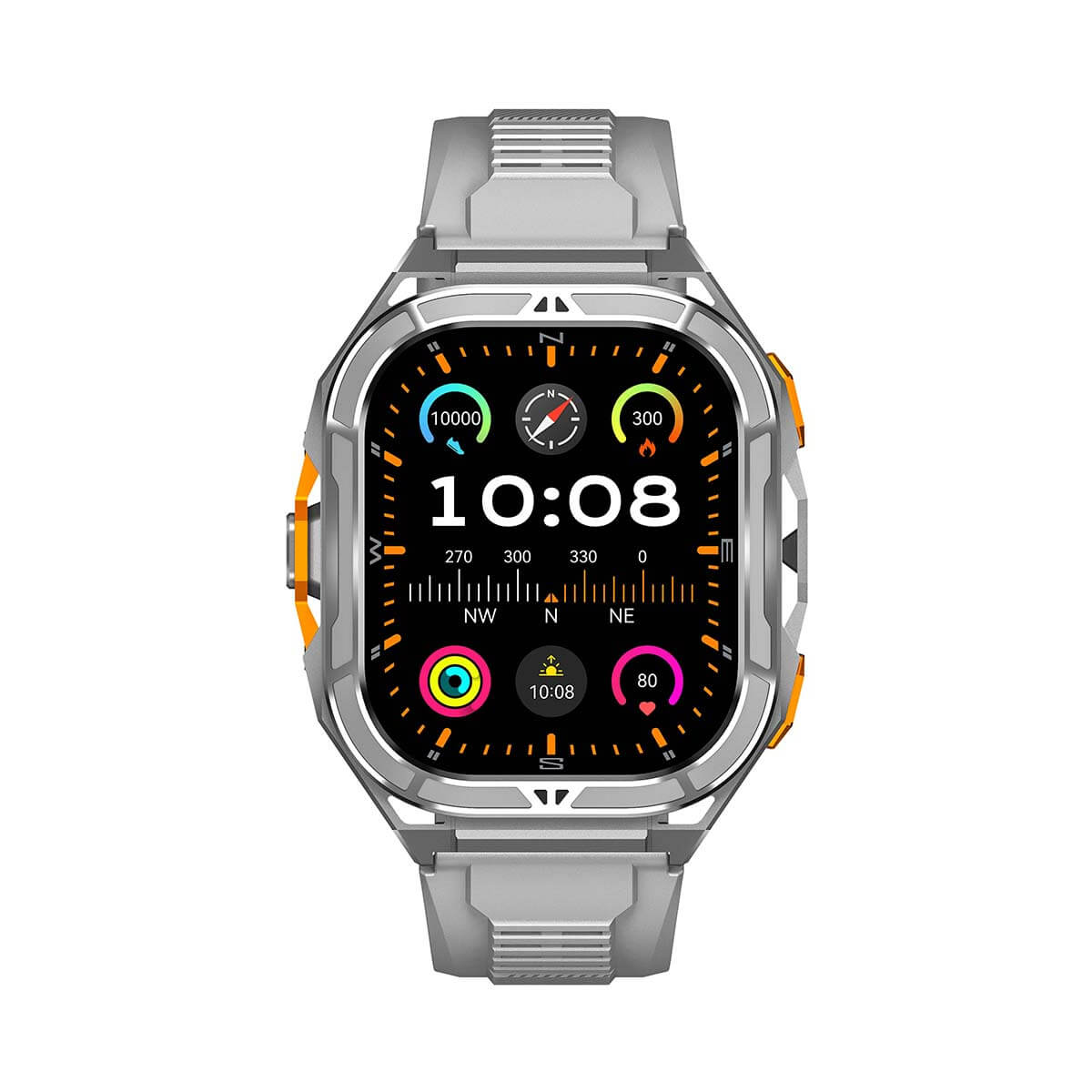
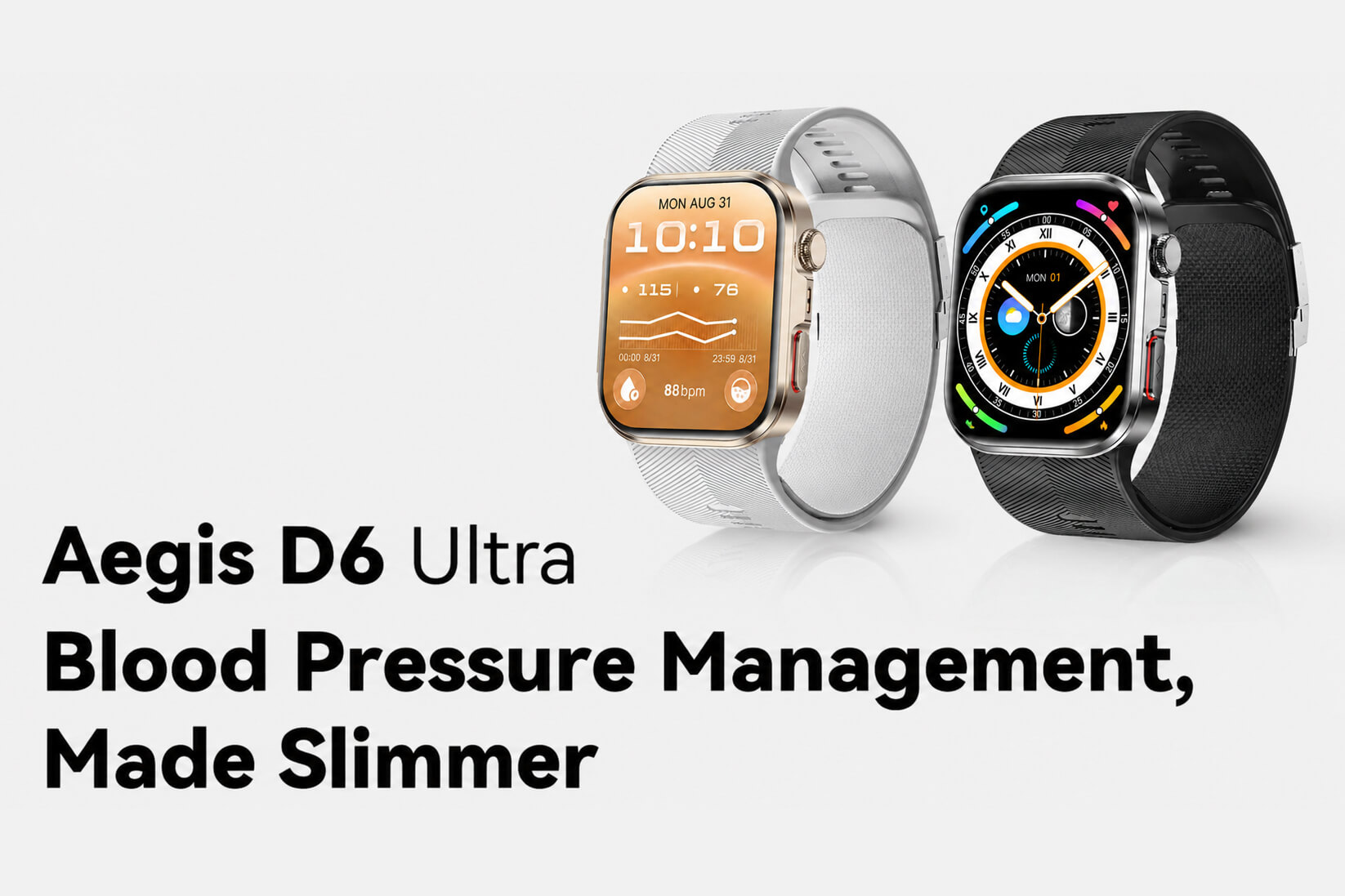
For users who want to monitor sleep, heart rate, blood pressure trends and older-adult safety features in one place, the Aegis D6 Ultra smart blood pressure watchoffers a more integrated and convenient approach to everyday health tracking.
HRV Is Not Heart Rate
Heart rate tells you how many times your heart beats per minute. HRV describes the variation in time between consecutive heartbeats.
For example, a heart rate of 60 beats per minute does not mean that every heartbeat occurs exactly one second apart. In reality, consecutive intervals might be 980 milliseconds, 1,030 milliseconds and 1,010 milliseconds. These small variations are what HRV measures.
HRV is influenced by the autonomic nervous system:
- The sympathetic nervous system acts like an accelerator and becomes more active during stress, exercise and heightened alertness.
- The parasympathetic nervous system acts more like a brake and is closely associated with rest, digestion and recovery.
Under stable resting conditions, higher HRV relative to a person’s normal baseline is often associated with stronger parasympathetic regulation. However, this does not mean that a higher number is always healthier. Irregular heart rhythms, measurement errors and differences between algorithms can also produce unusual values.
For more information about HRV measurements and their physiological interpretation, see Shaffer and Ginsberg’s overview of HRV metrics and the HRV measurement standards published by the European Society of Cardiology and NASPE.
Why Do Wearable Devices Monitor Recovery at Night?
When you are awake, talking, walking, caffeine, emotional changes, breathing patterns and body position can all affect HRV. Sleep provides a relatively stable observation period, which is why many wearable devices prioritize overnight data when establishing a personal baseline.
Sleep stages also influence autonomic activity. Research has found that heart rate and autonomic patterns differ between non-rapid eye movement sleep and rapid eye movement sleep. See Trinder and colleagues’ study of autonomic activity during different sleep stages.
However, HRV alone cannot determine whether someone entered deep sleep, nor does one poor recovery score prove that a person has insomnia. Consumer recovery algorithms may also incorporate resting heart rate, sleep duration, activity levels and other available measurements. The precise calculation varies between brands and software versions.
A Drop in HRV Does Not Necessarily Mean Insomnia
HRV is a nonspecific measurement. In other words, many factors unrelated to insomnia can temporarily lower it.
Alcohol consumption
Alcohol may make you feel sleepy at first, but it can disrupt sleep later in the night and affect autonomic recovery. A real-world observational study found that alcohol consumption was associated with lower HRV and a higher heart rate during the early hours of sleep. The effect increased with greater alcohol intake. See Pietilä and colleagues’ study of alcohol and overnight autonomic regulation.
Exercise and physical strain
Intense training, long walks, travel and insufficient recovery can temporarily push overnight HRV below your normal range. This does not necessarily mean that you are ill. It may simply mean that your body is still recovering.
Emotional stress
Work pressure, anxiety and prolonged alertness can keep the sympathetic nervous system active. Your recovery status may therefore appear lower even if your total sleep time seems adequate.
Breathing, fit and measurement conditions
Breathing rate, sleeping position, strap tightness, skin contact and nighttime movement can all influence data quality on a consumer wearable.
Age and individual differences
HRV varies considerably from one person to another. Different devices may also use different metrics and algorithms. Comparing absolute HRV values between two people—or between different wearable brands—therefore has limited value.
How to Use the Aegis D6 Ultra for More Meaningful Health Trends
The Aegis D6 Ultra is best treated as an everyday health observation tool, rather than a device that passes judgement on your body through a single score.
1. Establish your personal baseline
Wear the device consistently for one to two weeks and observe your overnight heart rate, sleep and any recovery-related trends shown by the app under similar conditions. Your personal baseline is generally more useful than a generic “normal HRV range” found online.
2. Review several measurements together
Do not focus exclusively on one day’s HRV or recovery status. Consider it alongside questions such as:
- Is your resting heart rate higher than usual?
- Did you sleep substantially less than normal?
- Have you recently consumed alcohol, trained intensely or experienced unusual stress?
- Are you experiencing fatigue, palpitations or dizziness during the day?
- Are your blood pressure readings consistently different from your usual range?
The D6 Ultra uses an inflatable wrist airbag and an oscillometric blood pressure measurement system, providing an additional way to observe blood pressure trends. During a wrist measurement, you should remain still and hold your wrist close to heart level. The watch should not replace a validated upper-arm blood pressure monitor.
3. Look for sustained trends
One unusually low result may reflect changes in sleep, stress, activity or wearing conditions. A pattern that continues for several days—and occurs together with noticeable symptoms—deserves more attention than an isolated reading.
4. Do not lose sleep trying to improve your score
Repeatedly checking sleep and recovery scores can increase anxiety about sleep. Researchers have used the term “orthosomnia” to describe an unhealthy preoccupation with achieving perfect sleep data from wearable devices. See “Orthosomnia: Are Some Patients Taking the Quantified Self Too Far?”.
If reviewing your data begins to make you anxious, consider turning off score notifications temporarily and focusing instead on a consistent routine and how you feel during the day.
The Real Value of the D6 Ultra
The value of the D6 Ultra is not that it defines your health with a single number. Its practical benefit is helping you record heart rate, sleep, activity and blood pressure trends under relatively consistent conditions, making it easier to notice changes and discuss them with family members or healthcare professionals.
For older users concerned about blood pressure monitoring and fall-related safety, the watch also combines inflatable oscillometric blood pressure measurement with fall detection and other everyday monitoring features.
Before purchasing, confirm how fall notifications work, whether a nearby smartphone is required, which operating systems are supported and what after-sales service is available in your region.
Visit the Aegis D6 Ultra product page to review the current features, compatibility information and usage requirements. Available measurements may differ by region, firmware and app version, so always refer to the current product page and the actual app interface.
When Should You Seek Medical Advice?
HRV, sleep scores and smartwatch readings cannot diagnose insomnia, an abnormal heart rhythm, hypertension or another medical condition.
Seek urgent medical assistance if you experience persistent chest pain, severe shortness of breath, fainting or other serious symptoms. Consult a qualified healthcare professional if you have recurring palpitations, prolonged sleep difficulties, impaired daytime functioning or consistently abnormal blood pressure readings.
Do not stop medication or change a prescribed treatment solely because of a smartwatch result.
References
- Shaffer F, Ginsberg JP. An Overview of Heart Rate Variability Metrics and Norms. Frontiers in Public Health. 2017;5:258.
- Task Force of the European Society of Cardiology and NASPE. Heart Rate Variability: Standards of Measurement, Physiological Interpretation, and Clinical Use. Circulation. 1996;93(5):1043–1065.
- Trinder J, et al. Autonomic Activity During Human Sleep as a Function of Time and Sleep Stage. Journal of Sleep Research. 2001;10(4):253–264.
- Pietilä J, et al. Acute Effect of Alcohol Intake on Cardiovascular Autonomic Regulation During the First Hours of Sleep. JMIR Mental Health. 2018;5(1):e23.
- Baron KG, et al. Orthosomnia: Are Some Patients Taking the Quantified Self Too Far?. Journal of Clinical Sleep Medicine. 2017;13(2):351–354.