










Reviewed by William Pranevicius, wearable testing specialist engaged by Aegis. Written by Malcolm Baldwin.
When comparing fall detection watches and personal alarms, ask two separate questions. How does an alert connect to help? Who receives it?
A watch with its own mobile connection may contact family members. Another may connect to a monitoring team. A Bluetooth watch may use a paired phone to place the call. Understanding both parts helps you choose a setup that fits the wearer's routine and the people available to respond.
Compare the complete calling setup
| Setup | How the call connects | Who receives the alert | What to establish before buying |
|---|---|---|---|
| Phone-connected SOS watch | Through a Bluetooth-connected phone | Configured contacts, depending on the product | Phone connection requirements and what happens when contacts do not answer |
| Standalone mobile alarm | Through the device's mobile connection and service | Family or other configured contacts, depending on the product | Coverage, service plan and contact availability |
| Standalone monitored alarm | Through the device's connection and monitoring service | Monitoring team | Service coverage, escalation process, fees and named contacts |
These are comparison categories. Check the exact model and service rather than assuming every product follows the same pattern.
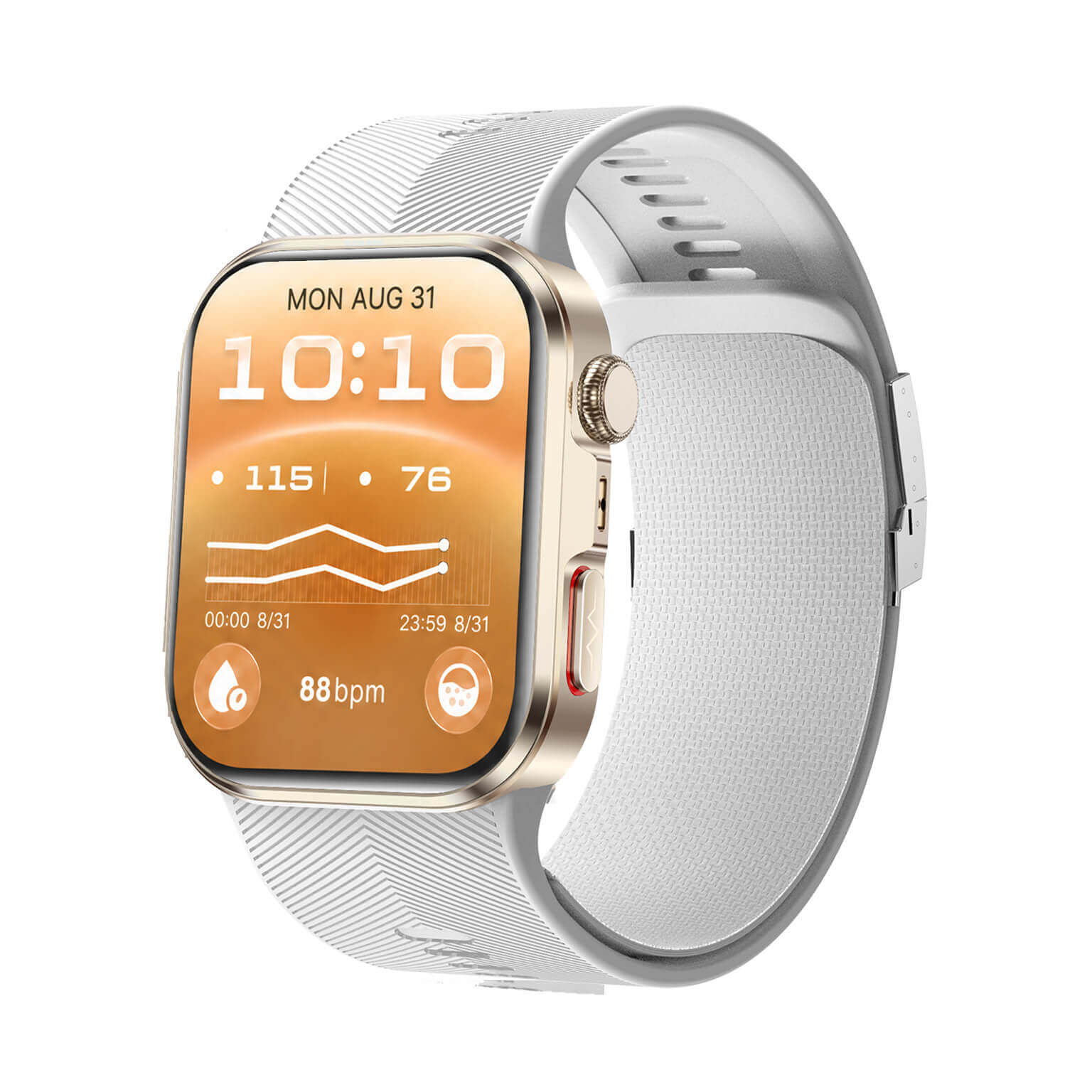
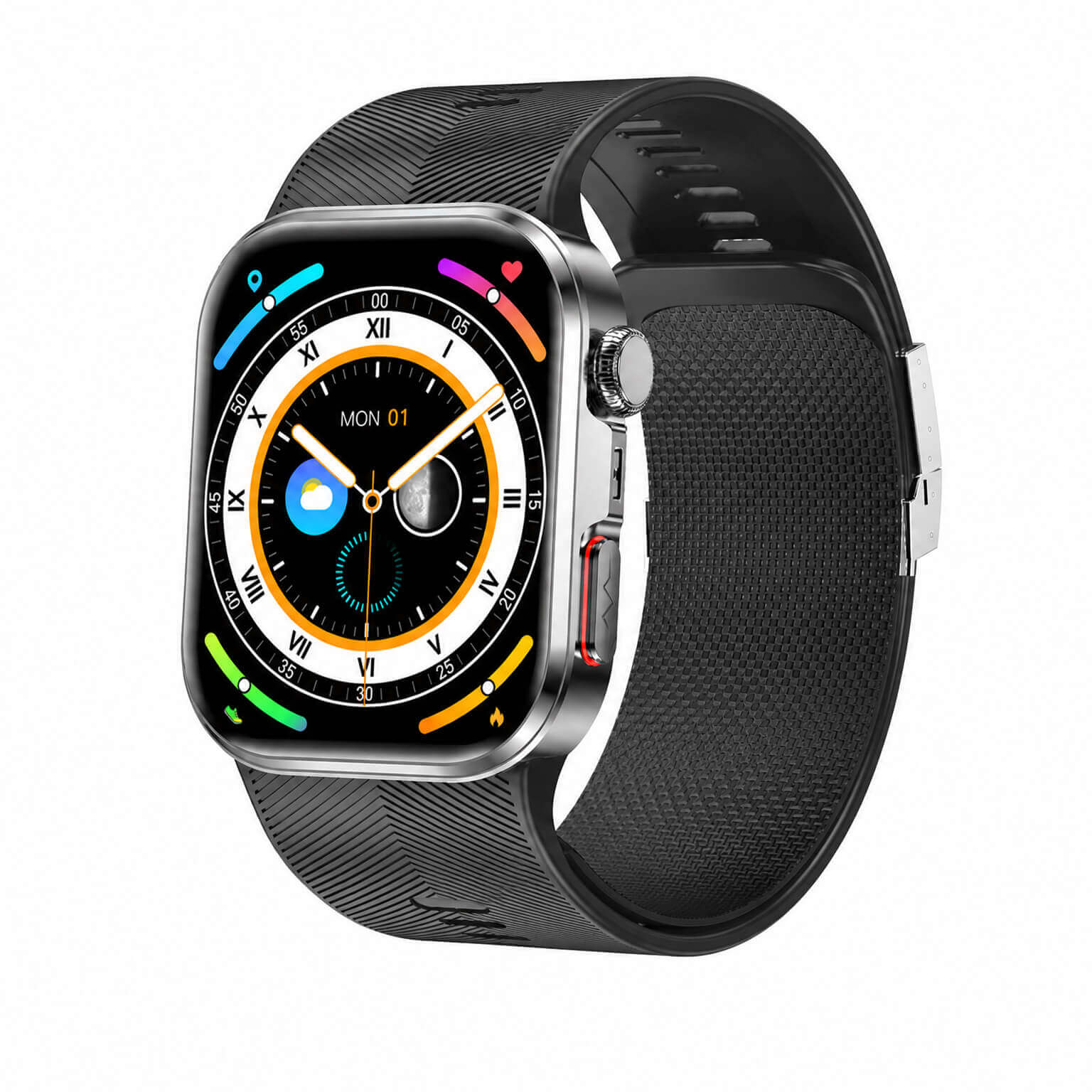
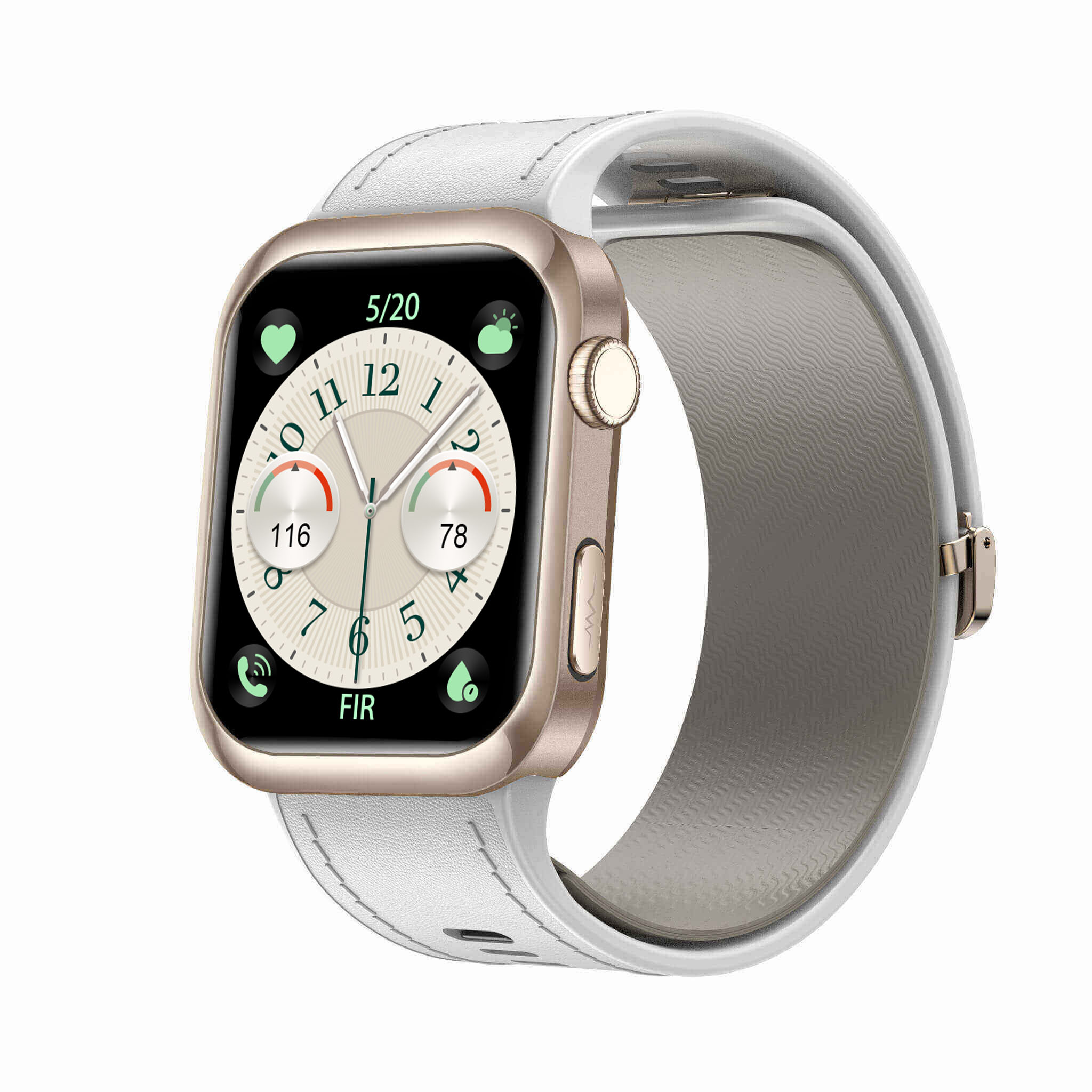
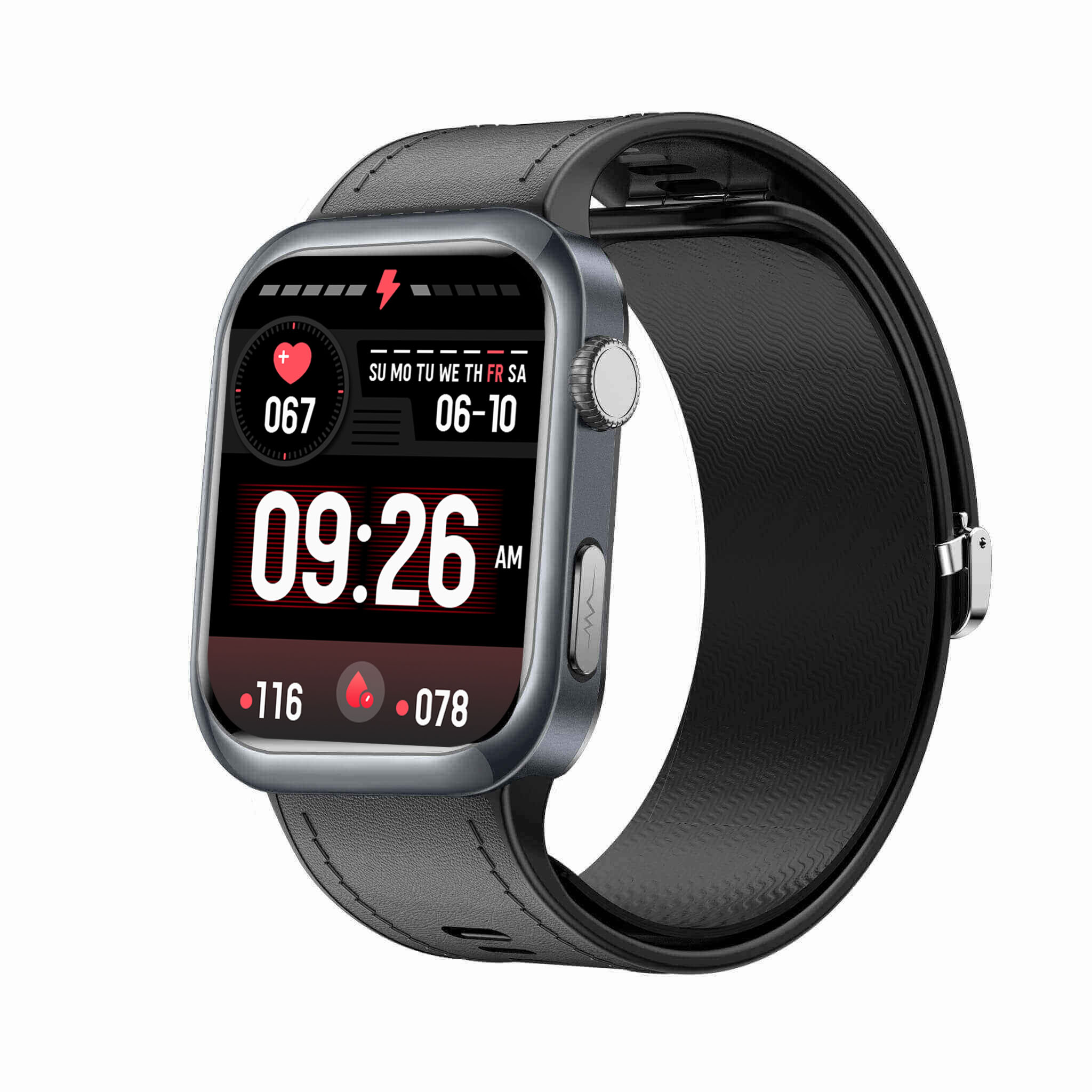
What does the Aegis D6 Ultra require?
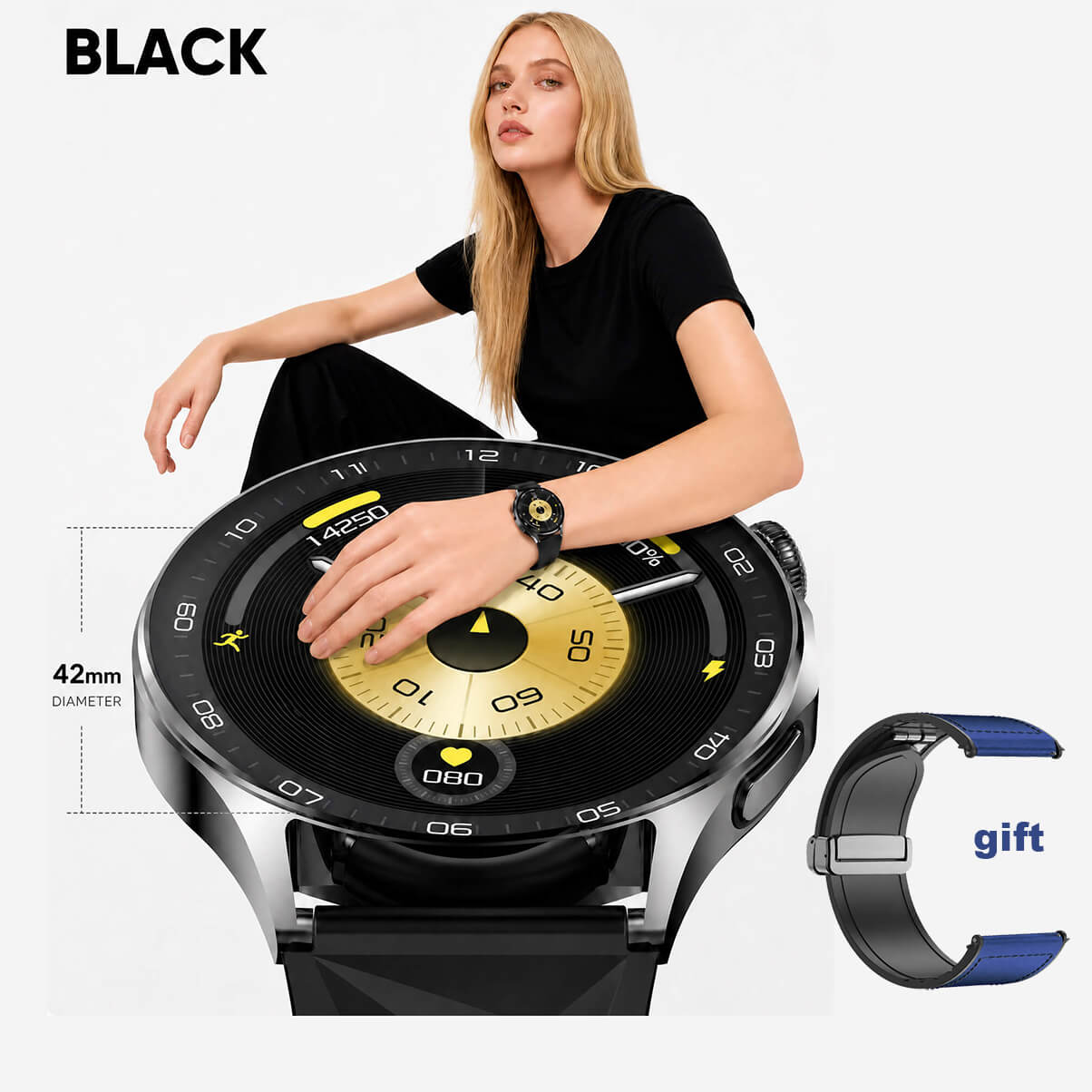
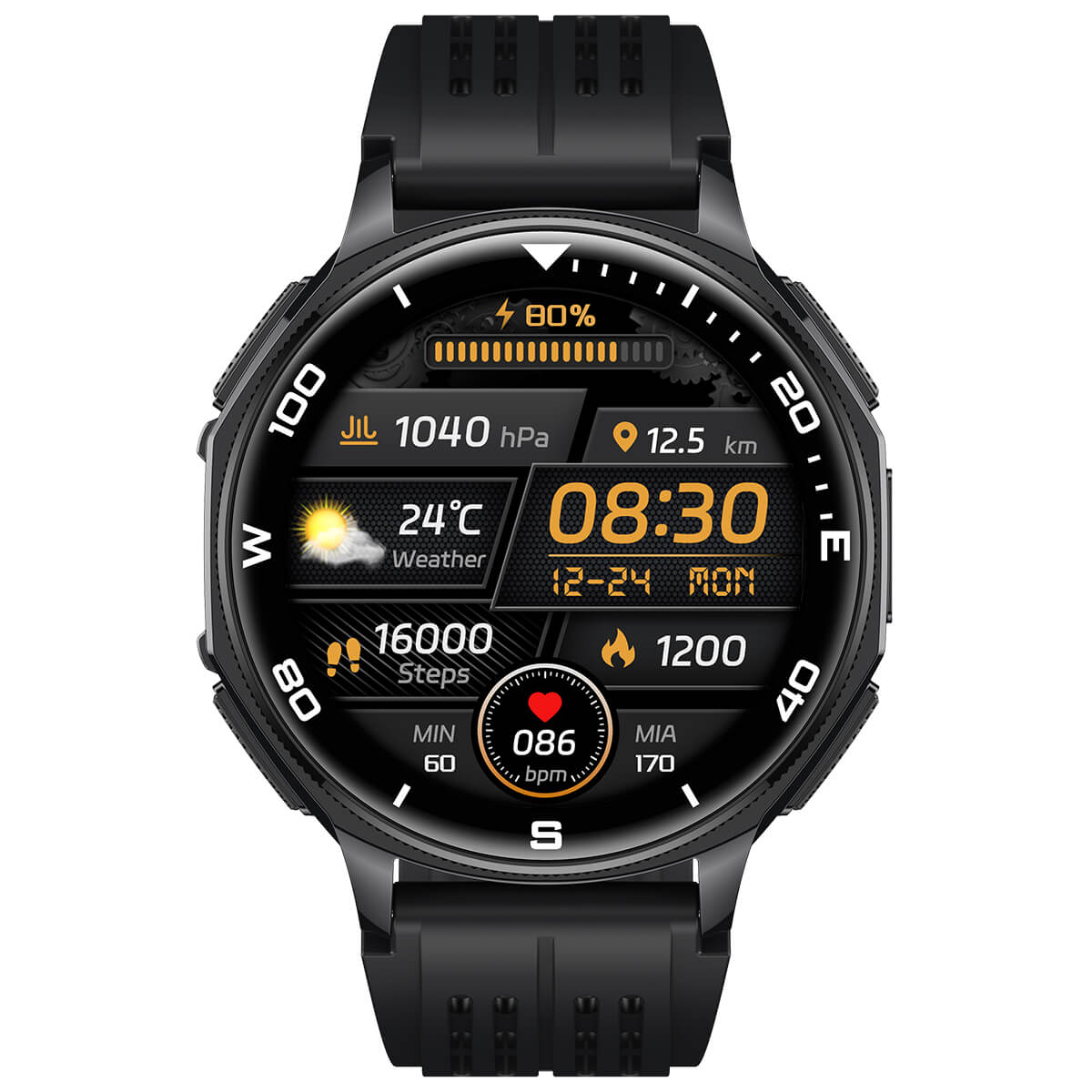
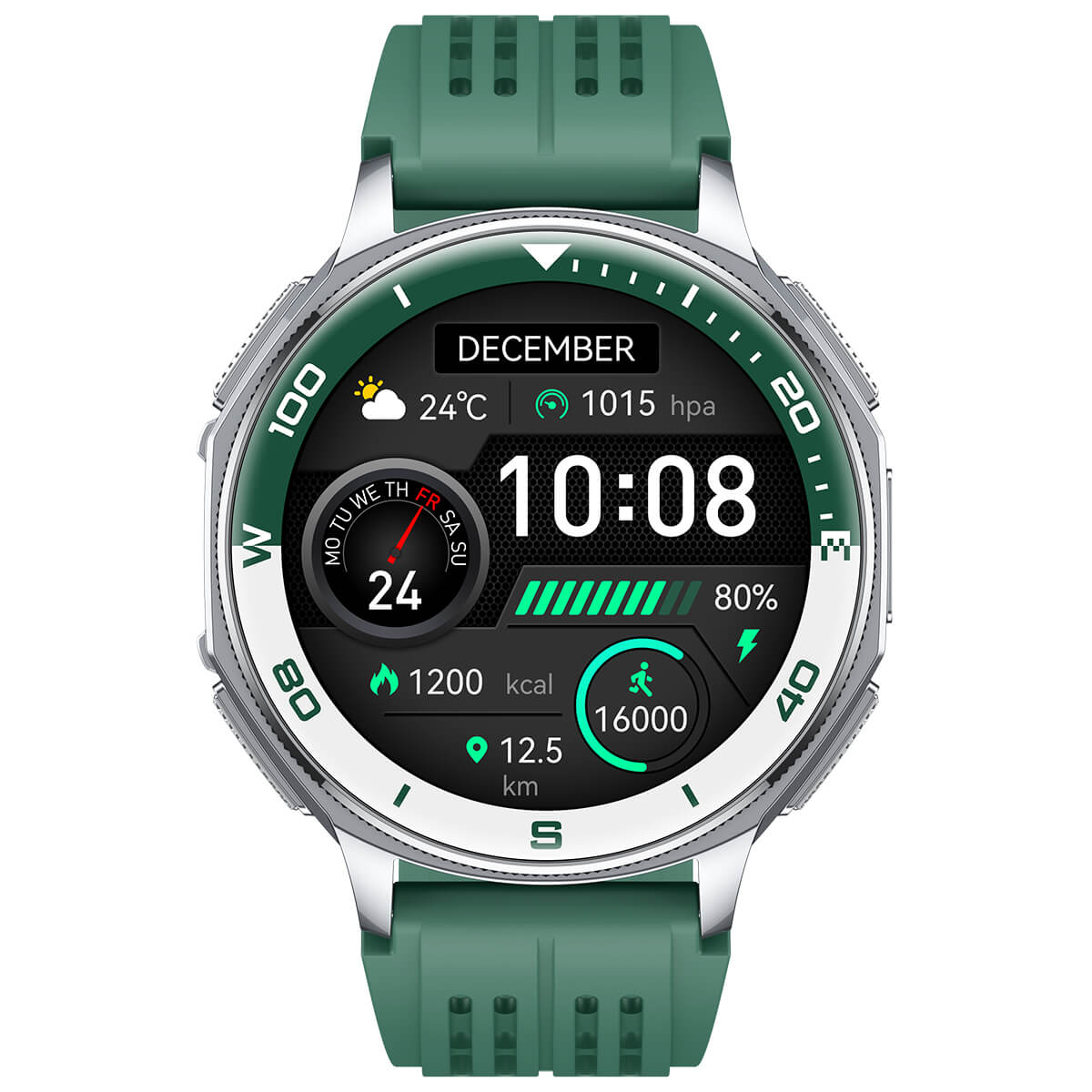
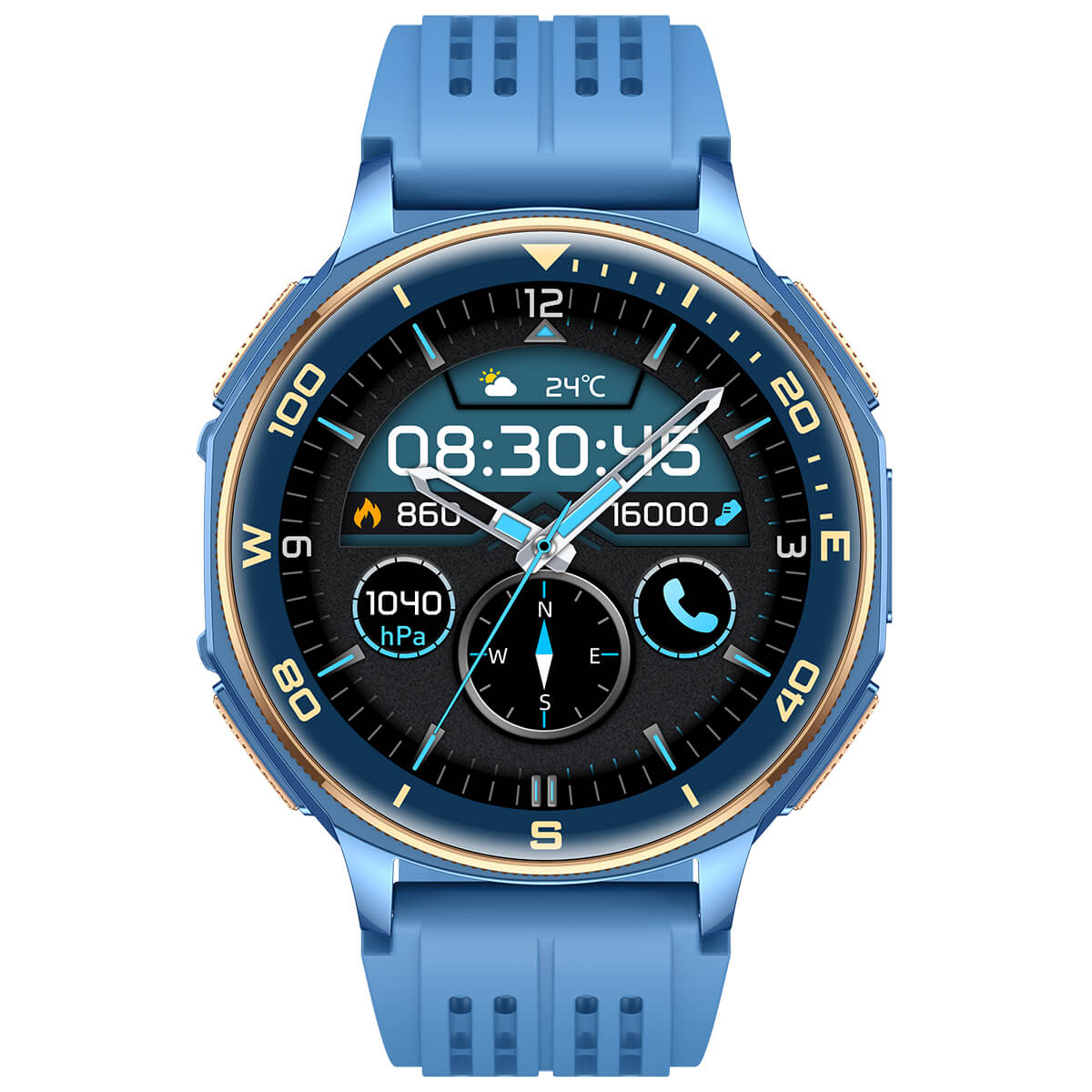
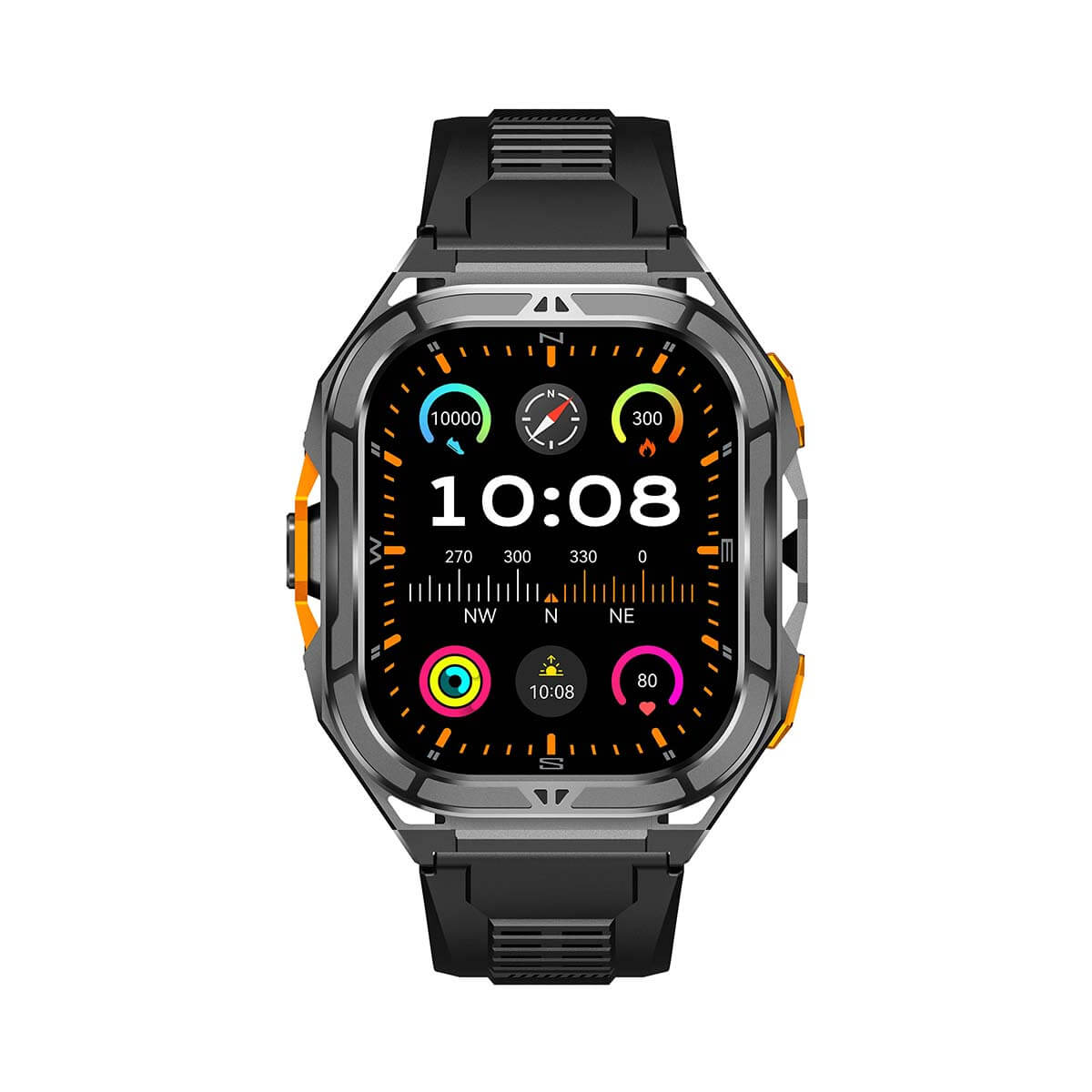
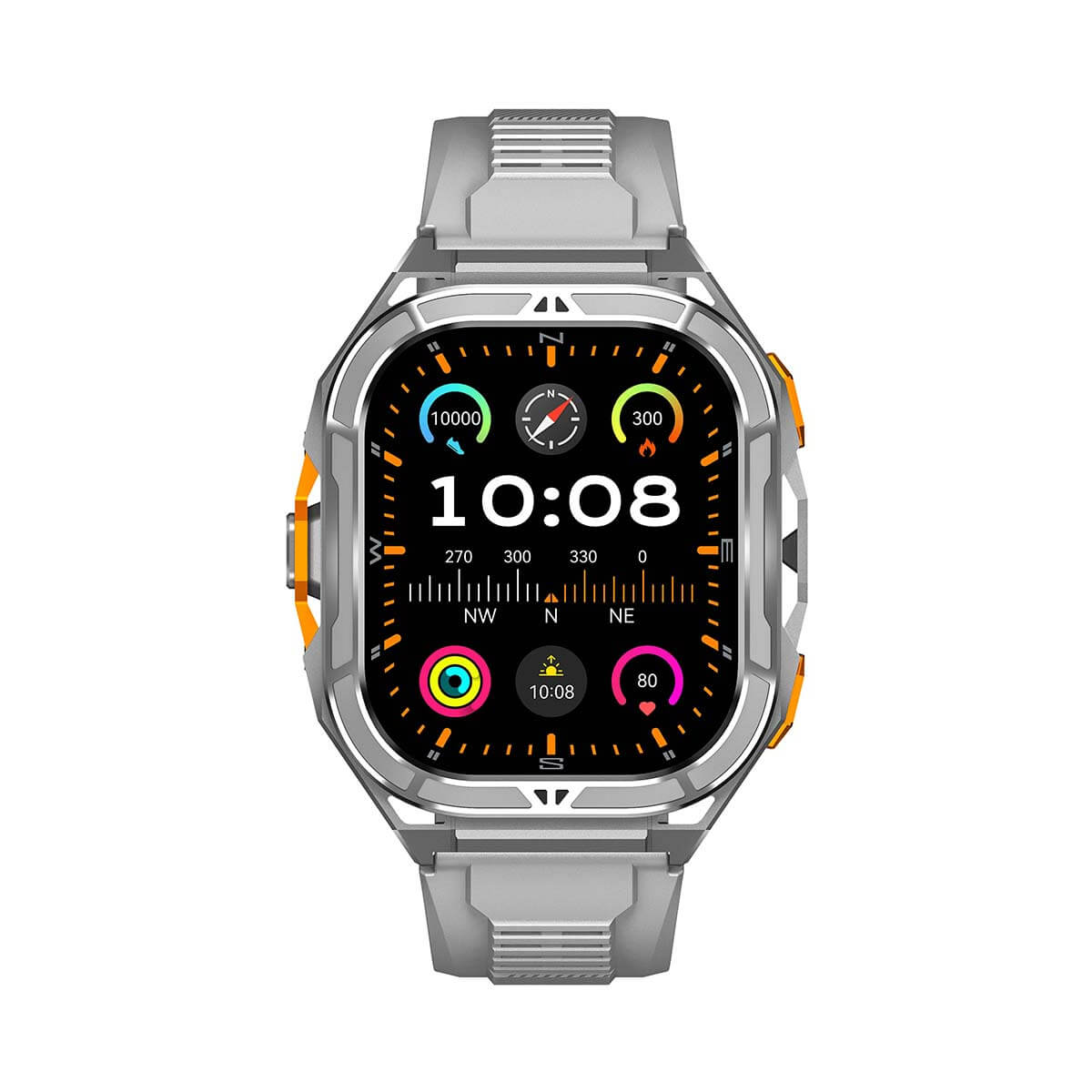
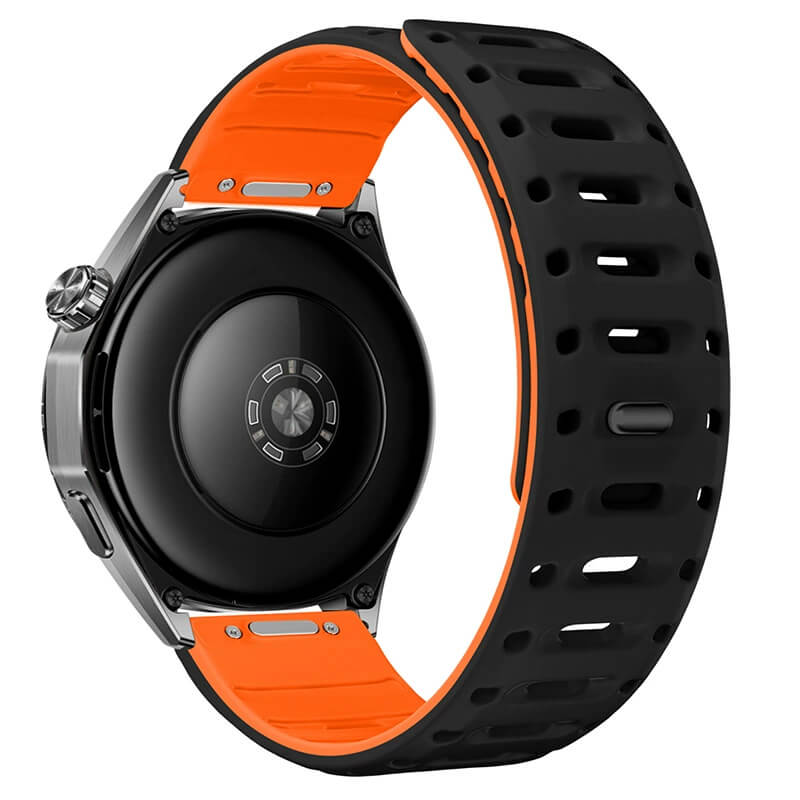
The D6 Ultra needs a Bluetooth-connected smartphone to make SOS calls. Aegis specifies a 10-second fall-detection countdown and up to five emergency contacts contacted in order. If one contact does not answer, the next is dialled. Read the D6 Ultra phone-connection and SOS guide for those product conditions.
For setup preparation, see the Gband compatibility and first-connection guide. A family considering this arrangement should establish whether the wearer normally keeps the paired phone with them and knows how to maintain the connection.
Ask Aegis for the exact answered-call stopping and repeat-cycle behaviour if those details are important to your decision. Those behaviours have not been established in the information used for this guide.
A standalone device can still call family
The NHS distinguishes alarms that alert a family member from alarms connected to a 24-hour monitoring service. Check whether the model needs a paired phone or has its own mobile connection, then ask who receives the alert. NHS personal alarm guidance
When comparing a family-contact arrangement, decide who can realistically answer, what happens outside their usual availability, and what information they will receive. Ask the provider to explain what the device does if every contact is unavailable.
A monitored service changes the response arrangement
For a monitored alarm, establish which team answers and how staff involve your named contacts. GOV.UK explains that telecare can alert a call centre or carers, with operation depending on the device and connectivity. Ask the service to describe its escalation process and what happens when family cannot be reached. GOV.UK telecare guidance
Ask for the ongoing costs in writing
Compare the device price with the cost of keeping its calling and response services active. Ask about the SIM or mobile service, monitoring, setup, cancellation and any optional fall-detection feature.
The NHS notes that monitoring packages vary in price and usually involve an installation cost followed by a monthly charge. Ask for a full written breakdown for the package you are considering. NHS monitoring-system costs guidance
For D6 questions, request confirmation of the calling requirements and any applicable costs from Aegis and your phone provider. The available product facts do not establish every possible calling charge or service cost.
Prepare a household checklist
Work through these questions with the intended wearer and the people expected to respond.
- Where will the device normally be used, and what connectivity is available there?
- Does the wearer keep a phone with them, or do they need a device that connects independently?
- Who answers first, and what happens when that person or service cannot respond?
- What information is sent with an alert, and how is it accessed?
- Can the wearer hear the speaker and operate the controls comfortably?
- Who takes responsibility for charging, contact changes and checking service status?
- How should a test call be arranged with the provider and contacts?
Use the provider's test procedure and agree a suitable time with the recipients. Record the model, calling arrangement, test date and any setup questions still unresolved. That record is more useful than assuming an SOS label explains the entire response process.
Choose around the wearer's routine
A phone-connected watch requires a workable phone routine. A standalone device requires a suitable mobile-service arrangement. A monitored service also requires an understanding of how staff respond and involve family. Choose after checking the complete setup for the intended wearer.
For the D6 Ultra's current product information, visit the official Aegis product page. Confirm any unresolved requirements before relying on a particular feature.
This brand guide uses product facts confirmed by Aegis and public NHS and GOV.UK guidance checked on 9 November 2026. It presents a purchasing checklist, with no independent comparative test results or guarantee of emergency response.